Agentic AI Scams now with Interactive Audio
 Awhile back I wrote an article on how agentic AI was being used in scams, primarily focusing on text-based interactions.
- Read more about Agentic AI Scams now with Interactive Audio
- Log in to post comments

Awhile back I wrote an article on how agentic AI was being used in scams, primarily focusing on text-based interactions.
 The 3D printing community relies on a culture of open sharing. Whether seeking a replacement part or a complex artistic model, users frequently download files from various repositories and forums. However, opportunistic criminals now exploit this trust by turning seemingly harmless hobbyist files into delivery vehicles for malicious software.
 Dubai Police recently issued a high-priority warning regarding fraudsters exploiting the current Middle East crisis. These scammers impersonate employees from the "Dubai Crisis Management" department, falsely claiming links to law enforcement to harvest sensitive data, their primary goal involves obtaining UAE Pass credentials and Emirates ID details.
 I read this warning from the RCMP in Castlegar (a small town in British Columbia Canada) and while the details are vague as to what service providers are calling and what tale they are spinning but it is worth writing about.
 The evolution of Business Identity Compromise represents a significant shift in corporate fraud. Scammers now leverage generative artificial intelligence to bypass traditional security filters and exploit the natural trust between colleagues.
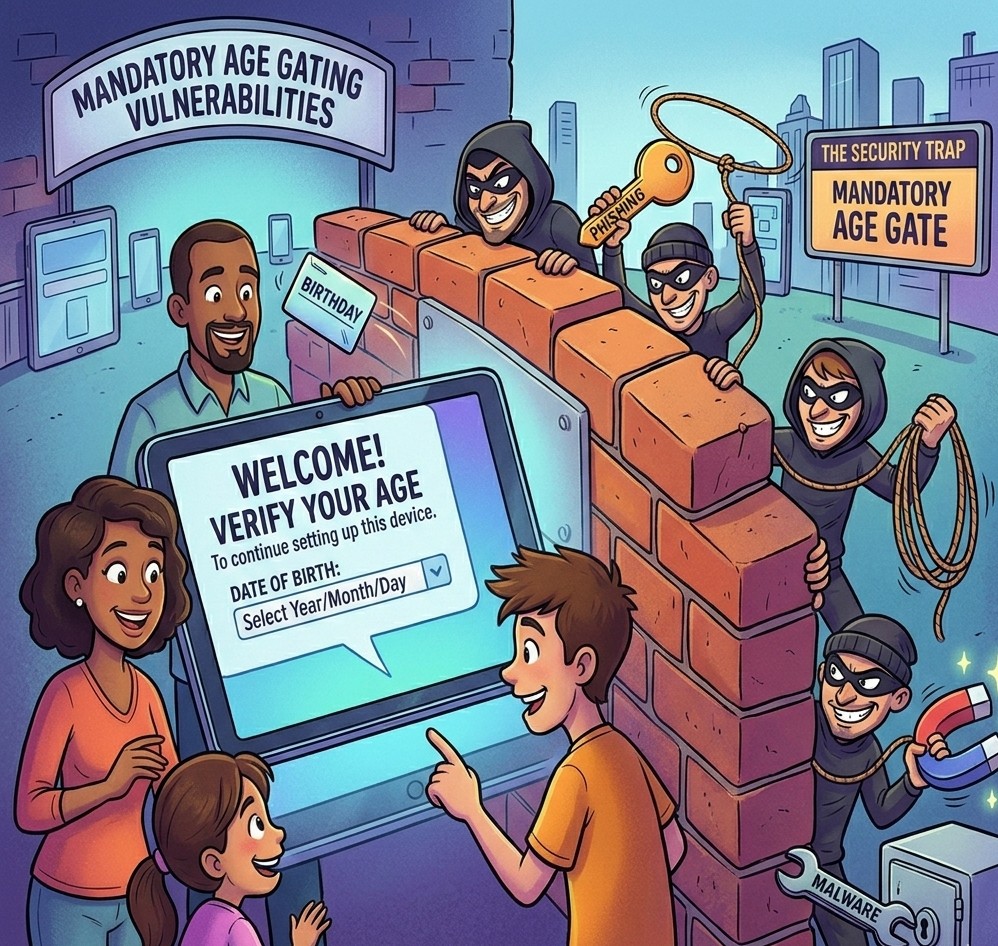 Moving identity verification from websites directly into the operating system of a device creates a permanent phishing season for every user in North America and beyond.
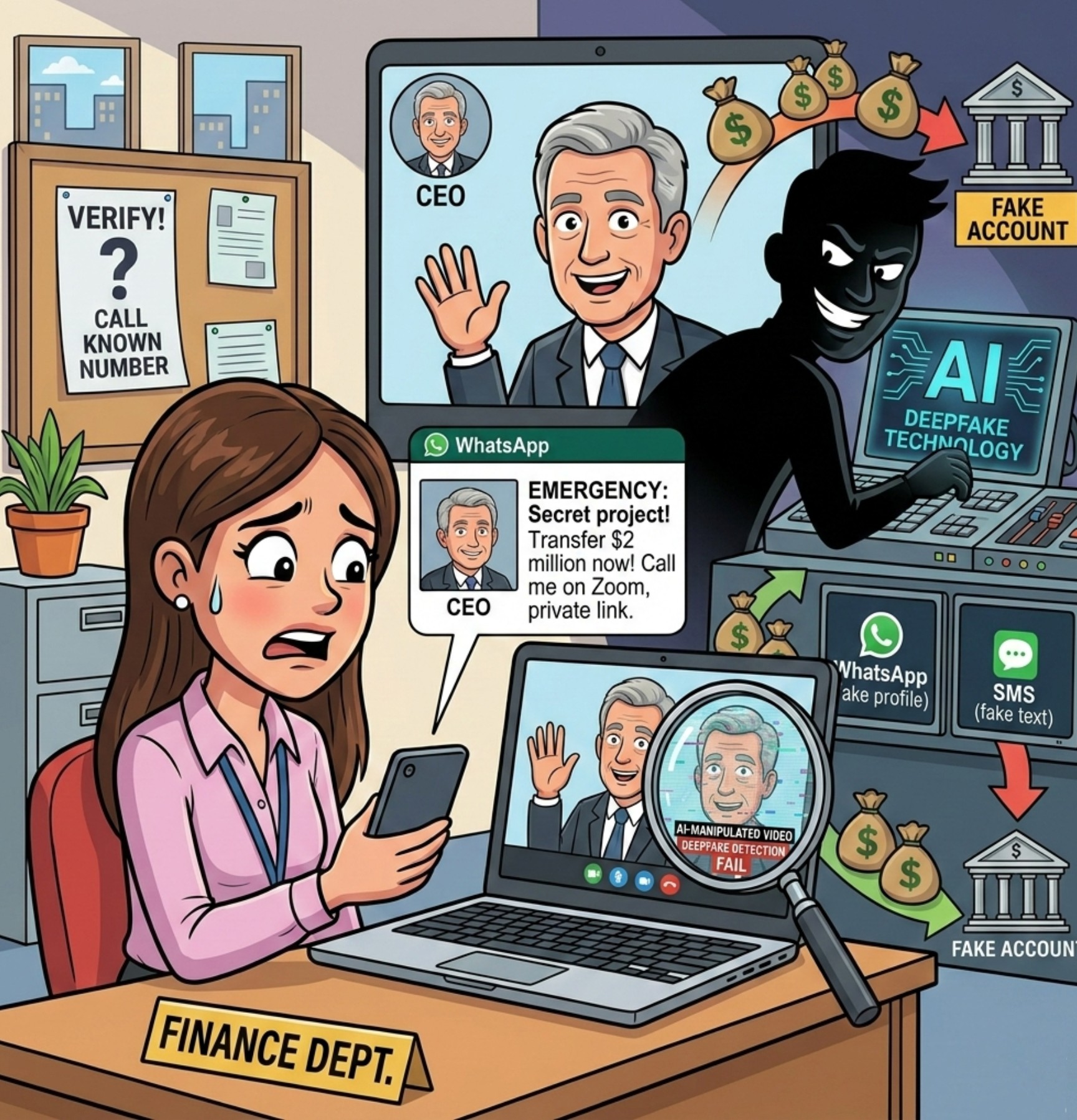 The Singapore Police Force (SPF) issued a formal advisory on February 26, 2026, regarding a surge in Business Impersonation Call (BIC) scams. Since early 2025, at least ten reported cases resulted in staggering losses exceeding $13.5 million.
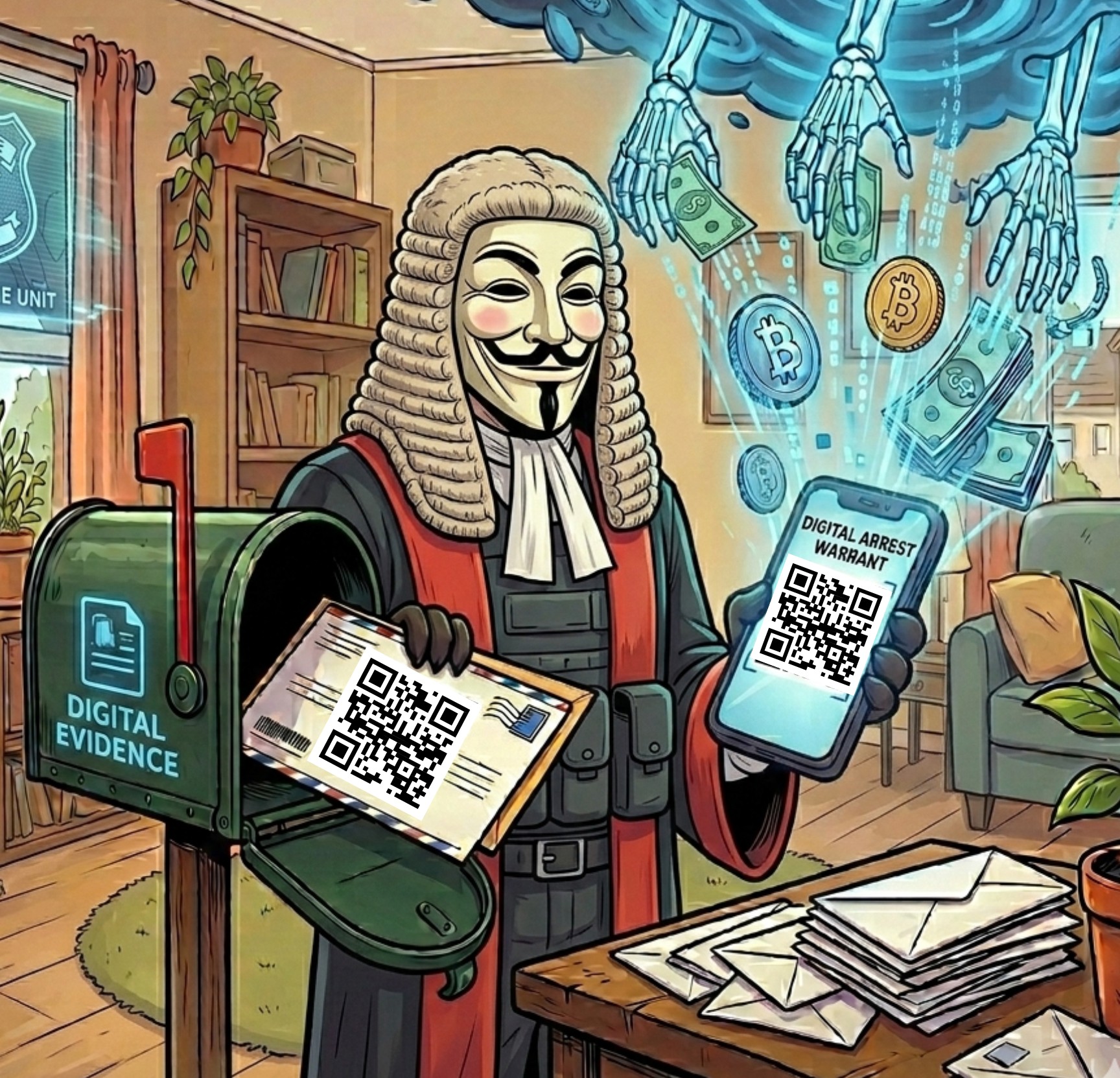 Police in New Castle County and various international jurisdictions report a resurgence of fraudulent letters claiming recipients missed jury duty. These operations merge traditional mail fraud with digital extortion to exploit victims globally.
A surge in "Gold Bar" scams has prompted urgent warnings from law enforcement agencies globally. Criminal organizations are shifting from digital currency demands to physical assets, exploiting the rising price of gold and the perceived safety of tangible wealth. These schemes rely on impersonating trusted figures, including tech support agents, bank officials, and police officers.
 I just realized I have been mentioning Digital Footprint in a number of articles but have yet to post an article on the to