
How Organized Crime Is Weaponizing Registered Mail
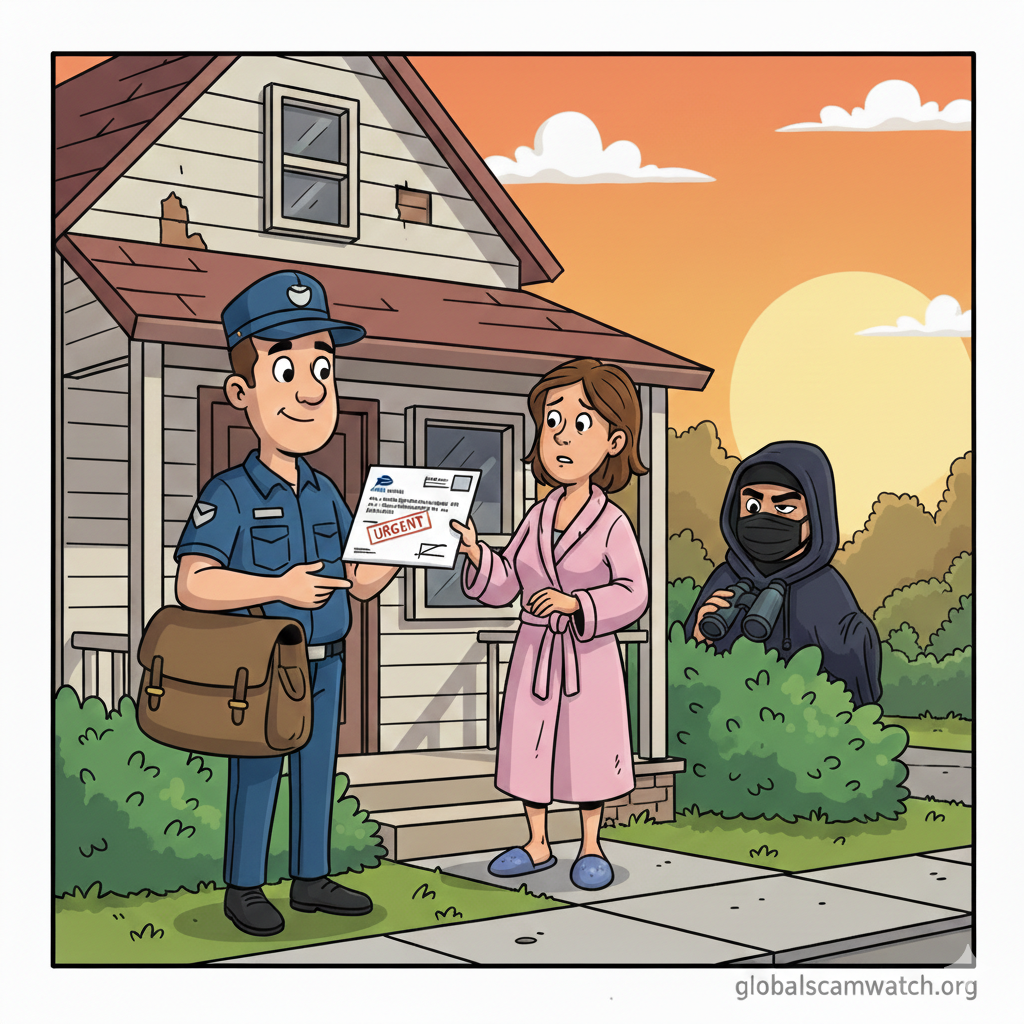 Organized crime syndicates are deliberately pivoting away from mass digital phishing and back toward a far older vector of deception: physical mail. A growing wave of fraudulent registered letters tied to alleged utility infrastructure obligations, regulatory compliance, and estate related claims signals a calculated evolution in global scam operations.
 Typo squatting, also referred to as URL hijacking, is a quiet but highly effective form of digital deception. It works because it targets routine. Attackers register domain names that are nearly indistinguishable from legitimate organizations, relying on predictable human error when a web address is typed quickly or from memory. One missed letter. One swapped character.
 The digital age has facilitated a sophisticated form of fraud targeting the very foundation of human stability: the home and the workplace. Across the globe, unlicensed actors known as coachfluencers have refined a predatory business model mirroring the mechanics of traditional scams.
 By early 2026, health insurance fraud crossed a critical threshold. What were once crude robocalls and poorly scripted phishing attempts have evolved into sophisticated, AI driven operations human sounding scams which feel legitimate, and operate at global scale.
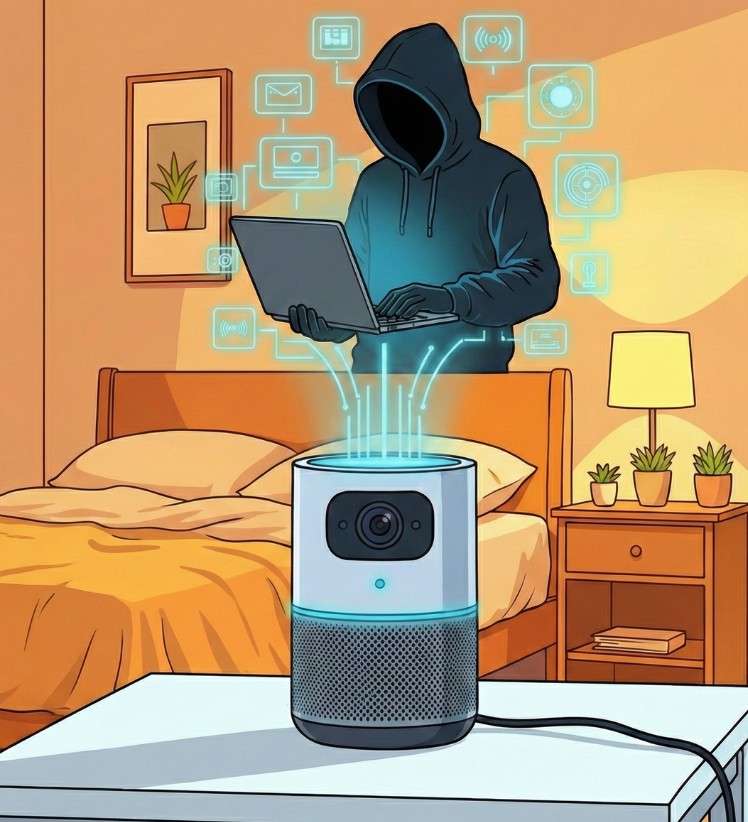 It was supposed to be the ultimate convenience. A word to dim the lights, a tap on a phone to check the front door from halfway around the world. The smart home promise was one of effortless control and futuristic security, but in early 2026, a darker reality is emerging from the shadows of our connected lives.
 For most people, a bucket list represents a lifetime of aspirations. Witnessing a historic sporting event, attending a sold out concert, or finally taking that once imagined luxury safari. International fraud syndicates have found a way to weaponize those dreams.