
Public Records Used in Scams
 Scammers are moving beyond generic attacks and into highly targeted financial fraud built on timing, context, and social engineering, using publicly accessible data to create scenarios that feel legitimate from the outset and are designed to extract money rather than just information.
- Read more about Public Records Used in Scams
- Log in to post comments
 I went back and forth on how to title this because I did not want it to come across like some kind of Terminator scenario, but at the same time, downplaying what is happening here would be a mistake.
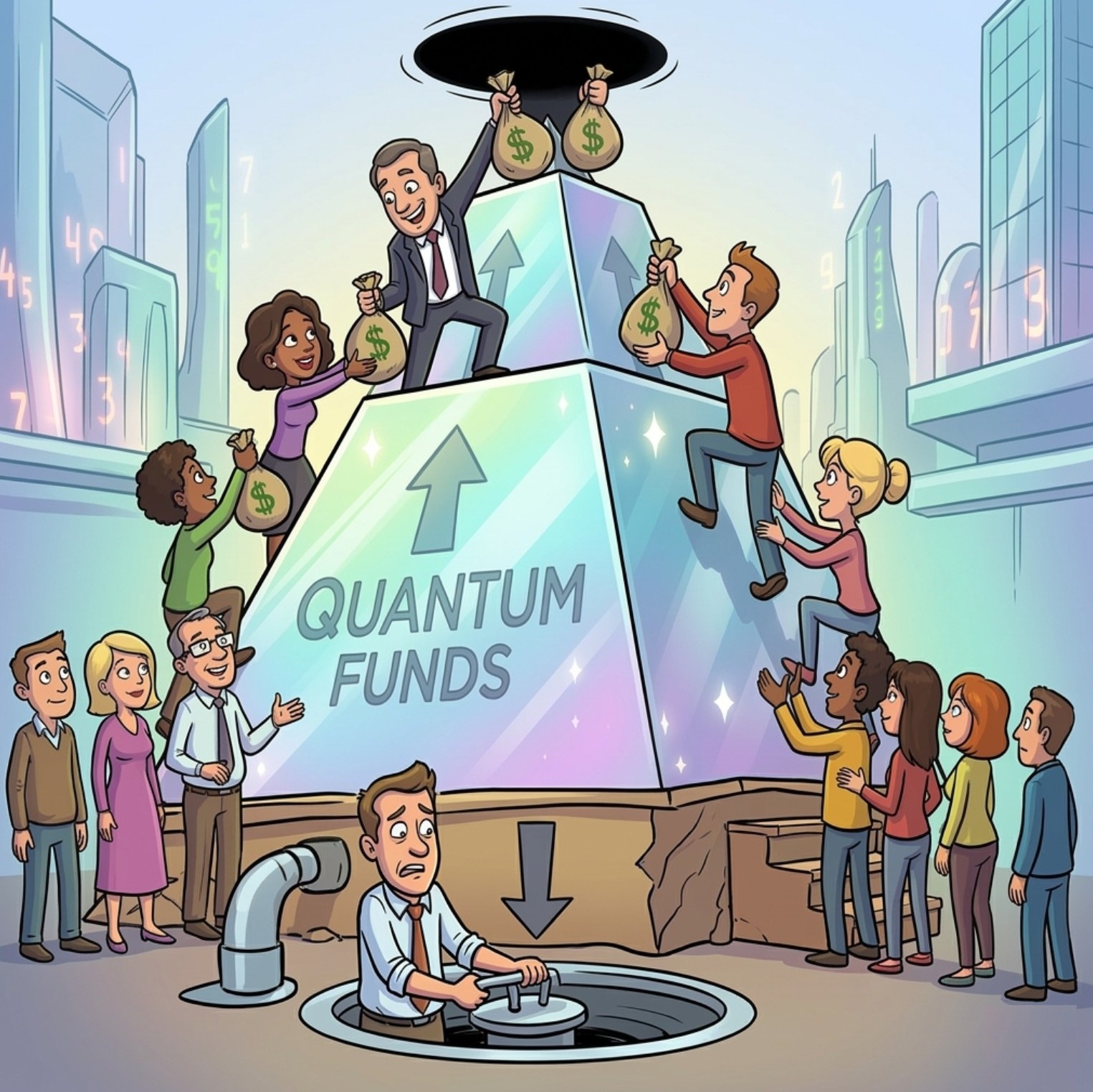 A follower recently brought Quantum Binary Solutions to my attention, highlighting the relentless persistence of these digital wolves. This entity represents a modern fusion of classic deception and futuristic buzzwords. While the name suggests cutting edge technology, the underlying mechanics appear far more primitive and predatory.
 As governments debate tariffs and trade restrictions, scammers are exploiting the confusion created by constantly shifting import rules. The uncertain and rapidly changing tariff environment has created an ideal cover for fraud networks.
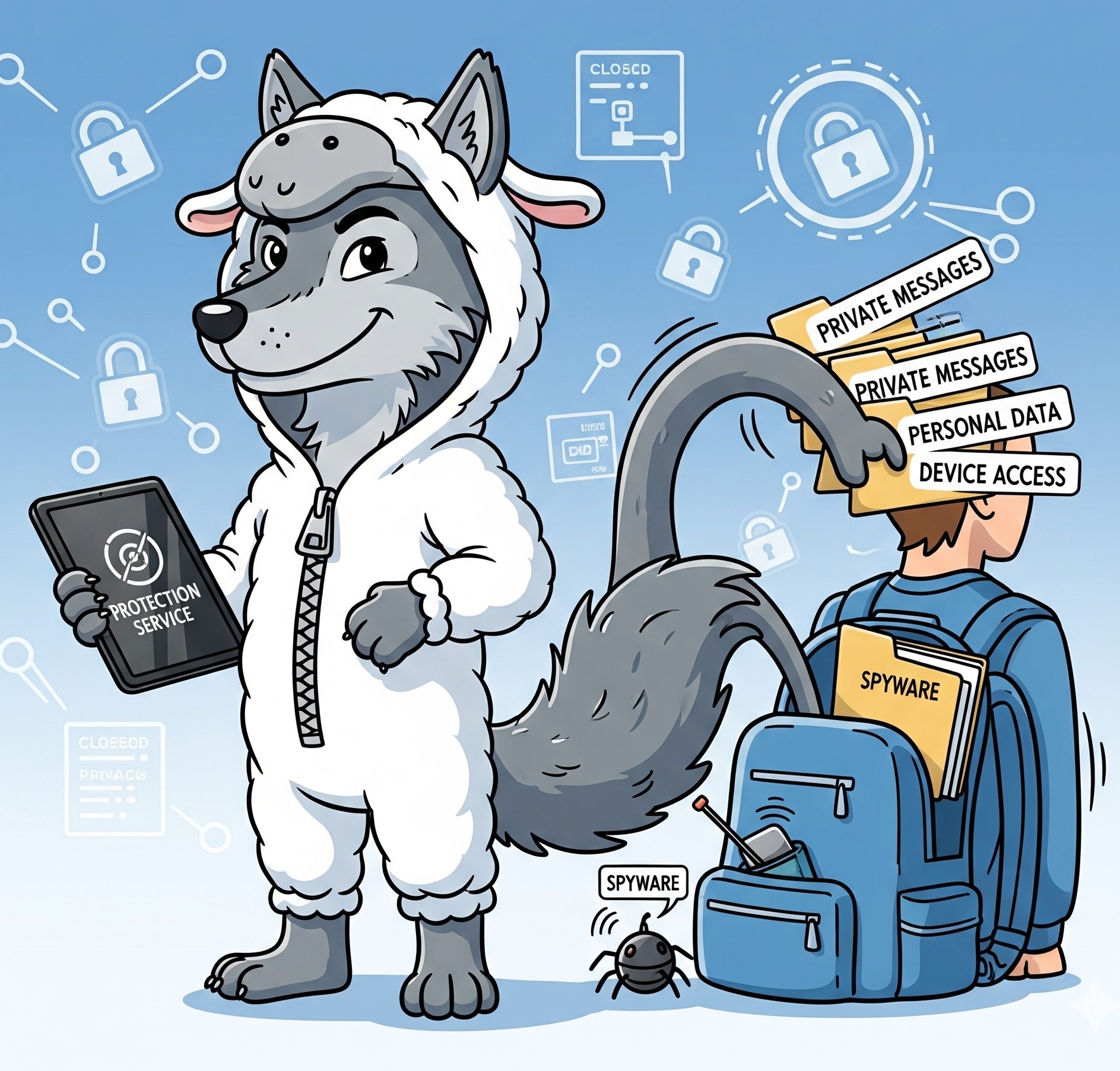 Fraud and online safety remain concerns for everyone. As digital threats evolve, so do the businesses claiming to stop them. A growing risk involves organizations presenting themselves as community safety resources while actually operating as private data collection platforms.
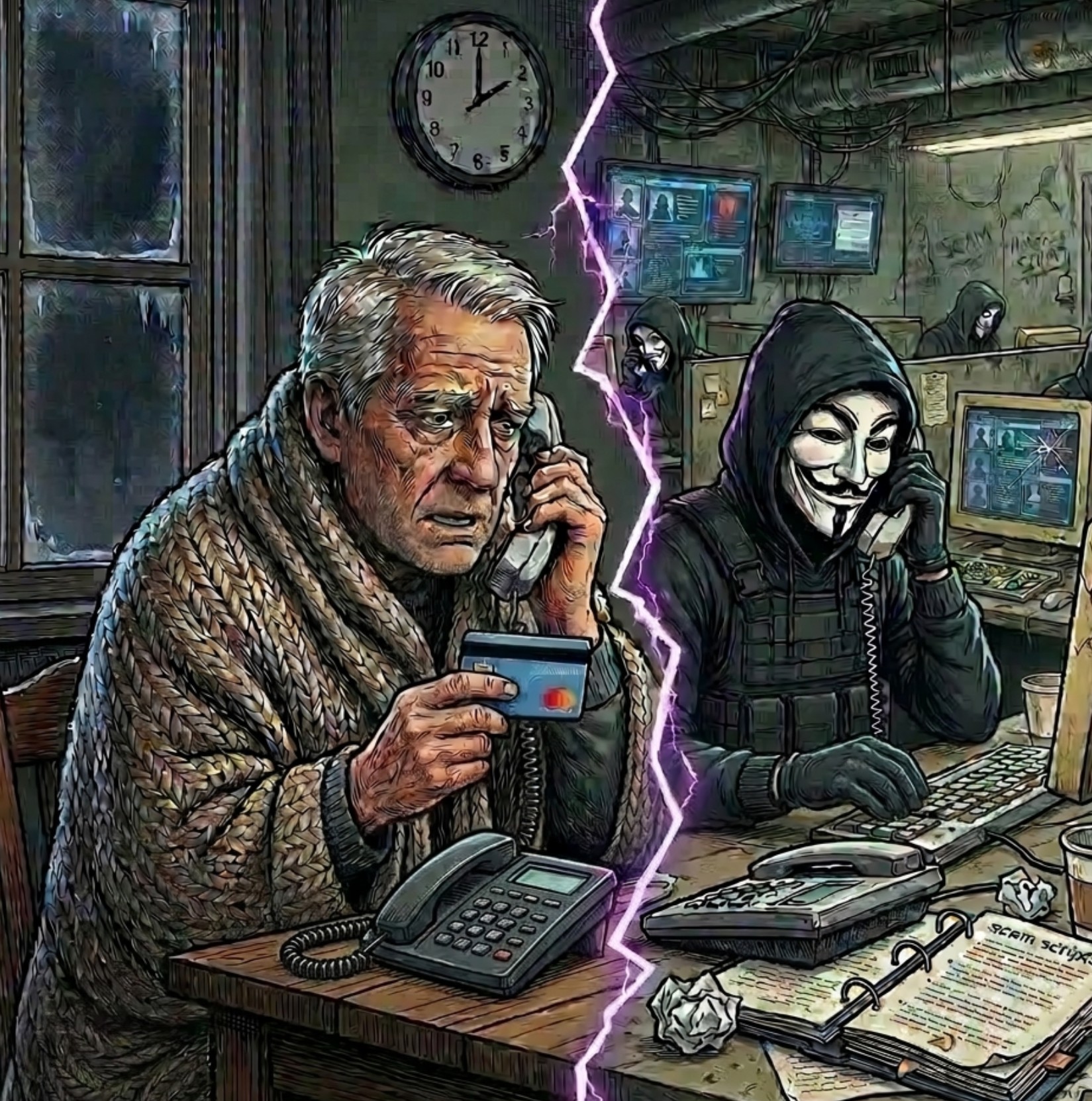 The Police in Denton Texas issued a warning regarding fraudulent calls demanding immediate utility payments. Scammers are impersonating Denton Municipal Electric, claiming accounts are past due while threatening service disconnection.
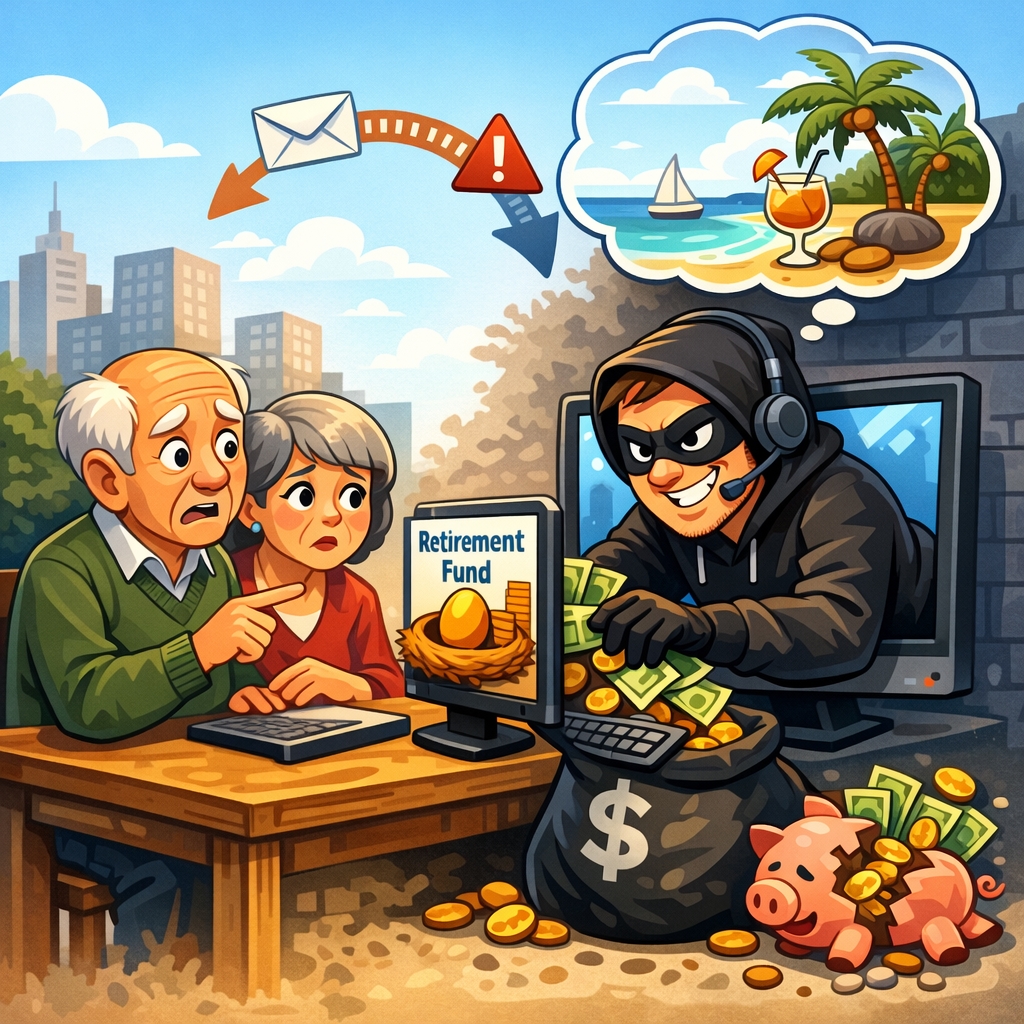 A new wave of impersonation fraud is moving through the international financial system, prompting urgent warnings from regulators. The Pensions Regulator in the United Kingdom, working with City of London Police, issued an alert regarding scammers posing as legitimate pension plan members in order to seize control of retirement accounts.
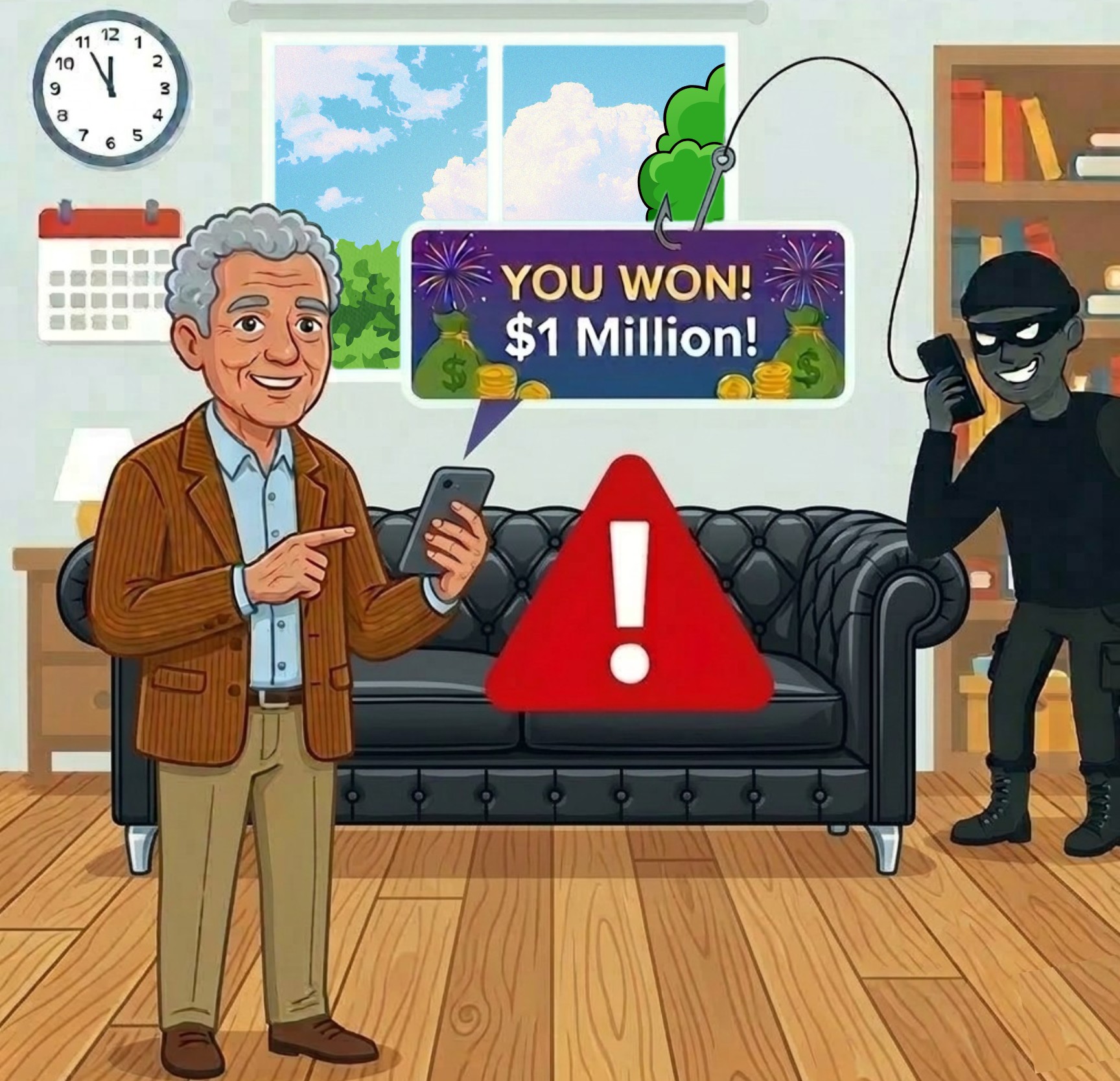 The Federal Trade Commission issued a formal consumer alert regarding a dramatic surge in
 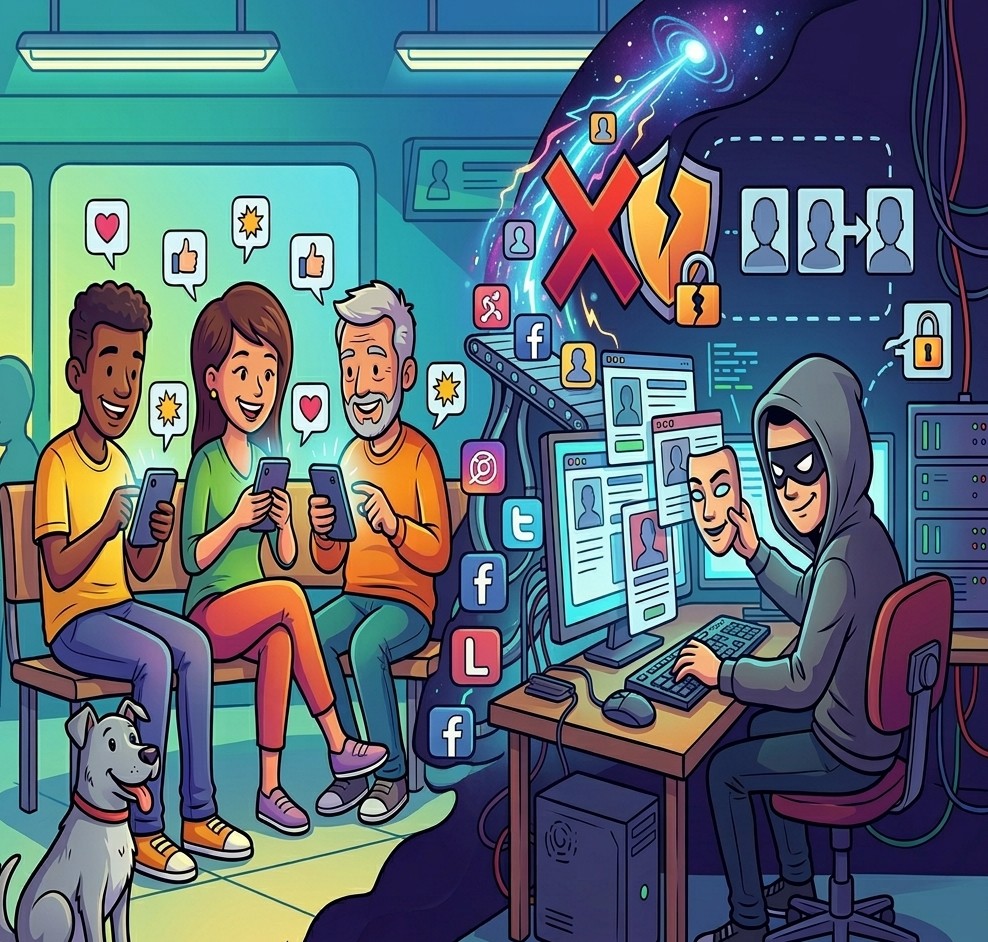 The digital landscape remains a fertile ground for various forms of fraud, with police in northern Ontario and Wisconsin recently issuing urgent warnings. Cybercriminals increasingly compromise Facebook and LinkedIn accounts to target friends and professional connections of victims.