The DNA Trap How Scammers Are Mining Genealogy Sites and Using AI to Build the Perfect Con
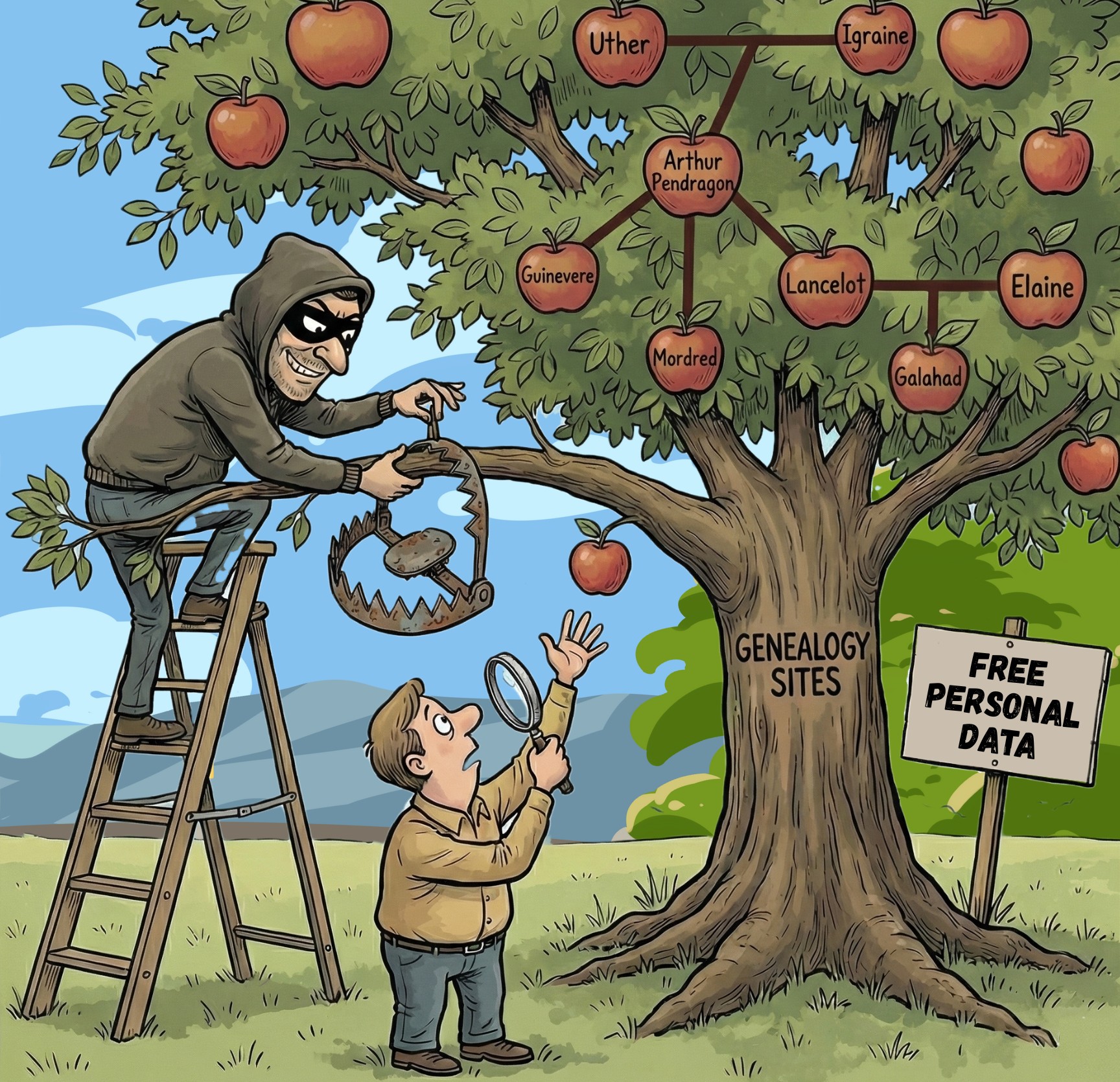 For millions of people worldwide, submitting a DNA sample or building an online family tree is an act of trust; it is about identity, belonging, and reconnecting with lost history. Genealogy platforms have turned this deeply personal pursuit into massive digital ecosystems built on shared information and emotional connection.
 For years, consumers have been trained to distrust emails and text messages; people scan for typos, suspicious sender addresses, and generic greetings before clicking anything.
 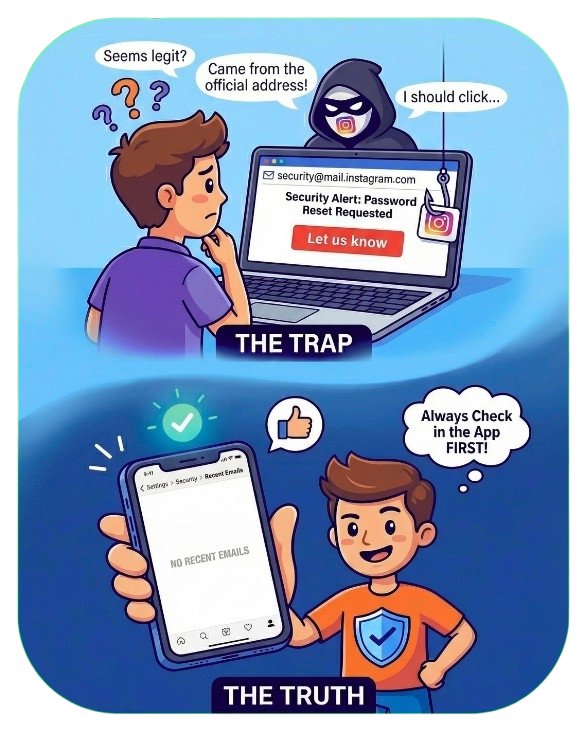 A large scale phishing operation is actively targeting Instagram users worldwide using fake security alert emails appearing to come from a legitimate Instagram Notification Email Address. The messages claim a password reset was requested and prompt users to click a “Let us know” link if the activity was not authorized.
 There has been a recent sustained surge in highly organized email attacks targeting Microsoft account holders worldwide.
 The digital backbone of global diplomacy and international research is now facing a more refined and dangerous cyber threat. State sponsored actors are no longer relying on obvious malware or crude phishing. According to a recent FBI warning, North Korea linked cyber units have significantly evolved their methods to quietly bypass modern security defenses.
 Scammers are finding a new way to leverage artificial intelligence in their operations. Previously, I wrote an article on
 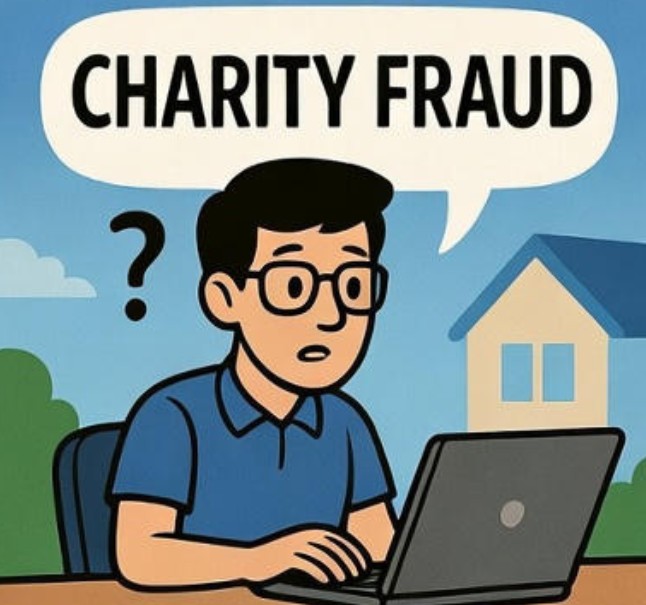 Charity scams are growing in sophistication. Even globally recognized movements, such as Black Lives Matter, have had certain chapters or individual leaders face legal action for misusing donations. These cases do not indict the movement itself, which continues to advocate for social justice, but they illustrate how even trusted causes can be exploited.