
The Dirty on Romance Scams and Who is Behind Them
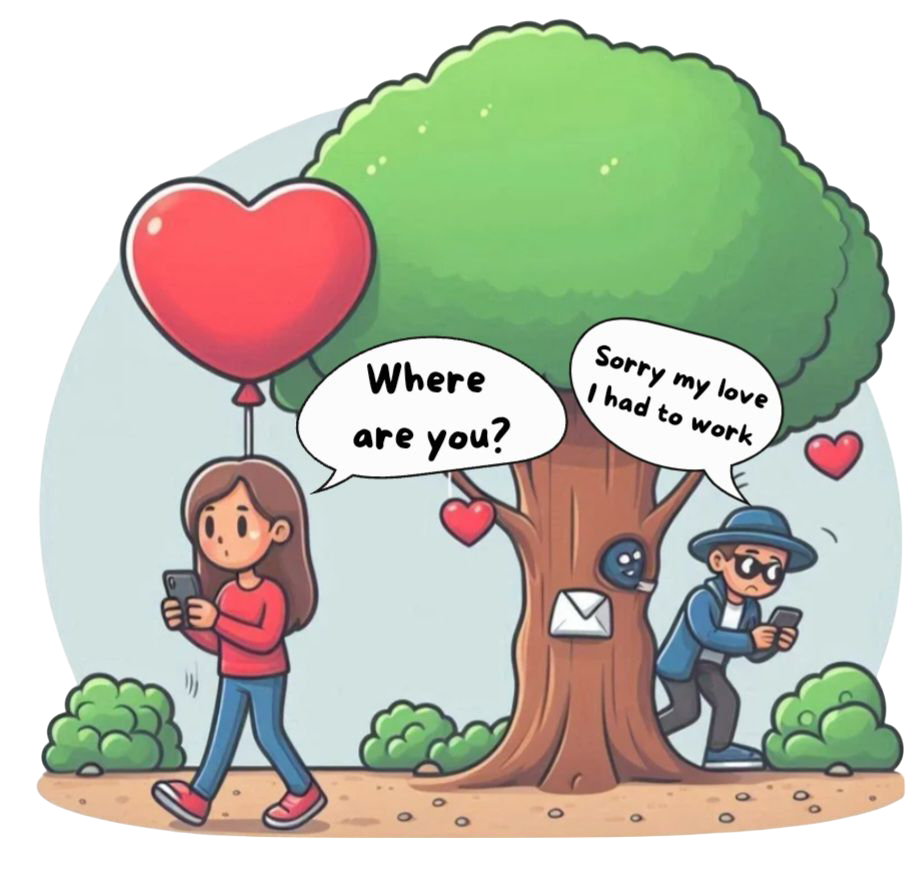 🕴️ 𝗪𝗛𝗢’𝗦 𝗕𝗘𝗛𝗜𝗡𝗗 𝗜𝗧 — 𝗬𝗔𝗛𝗢𝗢, 𝗦𝗔𝗞𝗔𝗪𝗔, 𝗔𝗡𝗗 𝗚𝗟𝗢𝗕𝗔𝗟 𝗥𝗜𝗡𝗚𝗦
🇳🇬 Yahoo Boys (West Africa & diaspora)
They specialize in online impersonation (soldier, engineer, oil worker), operate in teams, and share scripts, stolen photos, and “formats” (message templates).
 Scammers are increasingly creating fraudulent news articles impersonating trusted media outlets to lure victims into illegitimate cryptocurrency schemes. These deceptive websites often claim to be from respected publishers such as Financial Post, CBC, BBC, or CNN. By impersonating established journalism, scammers manufacture a sense of legitimacy.
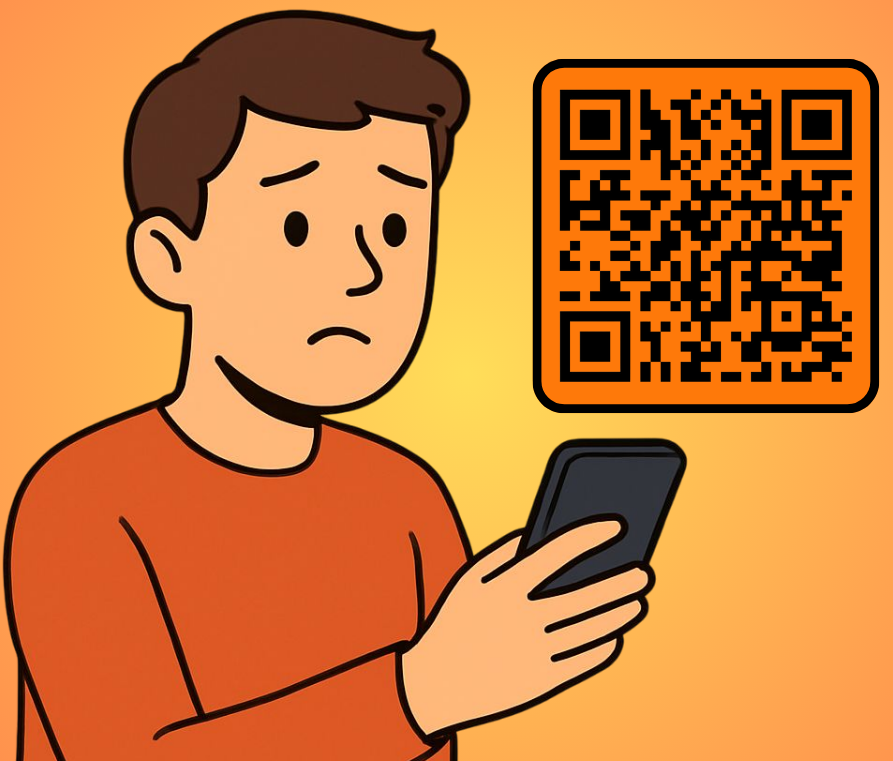 In today’s world of digital convenience, QR codes are everywhere: on menus, ads, payment systems, and even packaging. While these scannable codes bring speed and simplicity, their careless use has opened the door to a dangerous scam: Quishing.
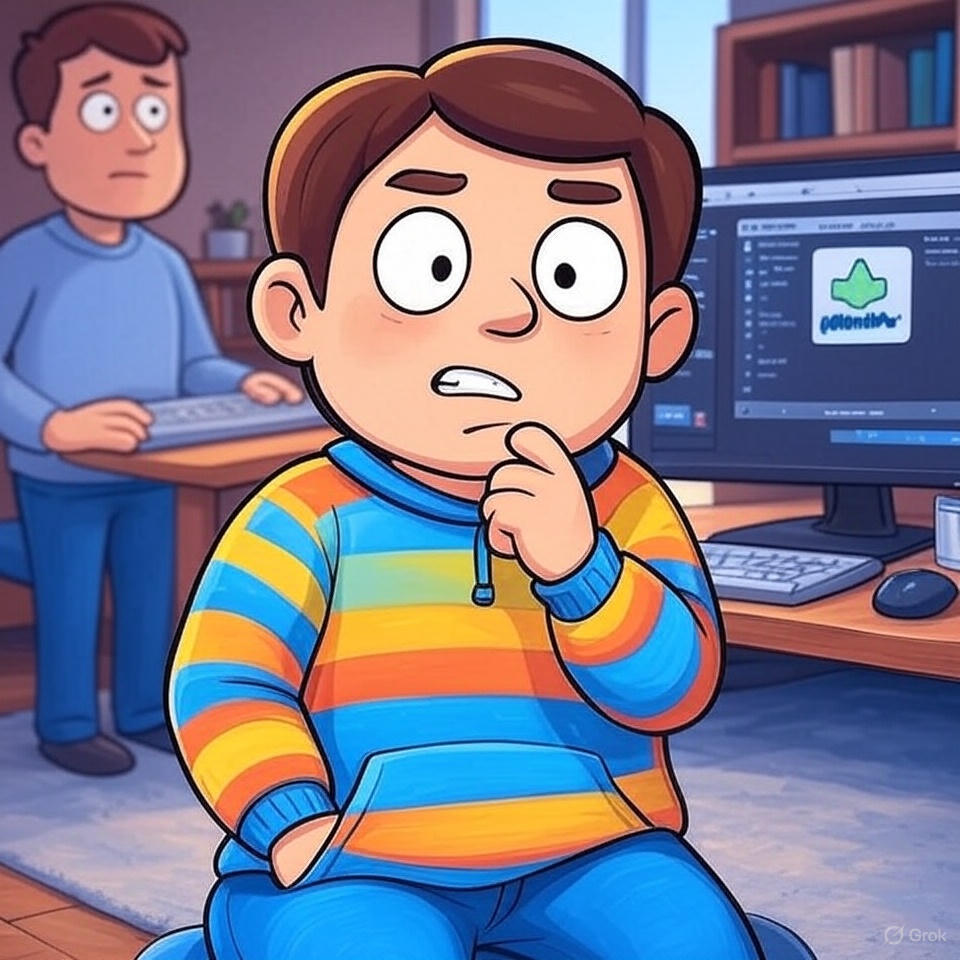 Crowdfunding platforms like GoFundMe and Kickstarter are powerful tools for helping others and funding creative dreams. Unfortunately, scammers exploit these platforms to prey on kindness and generosity. Knowing the warning signs can protect your wallet and ensure your donations or pledges go to real causes.
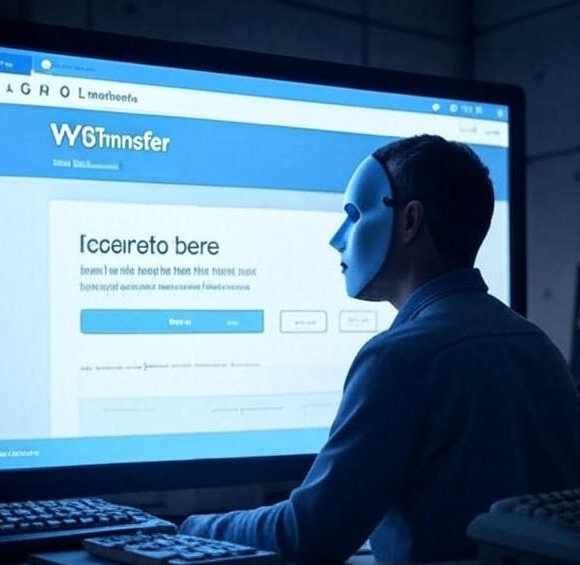 File-sharing platforms like WeTransfer, Dropbox, Google Drive, and OneDrive are convenient and trusted, which is exactly why scammers target them. Criminals send fake file-sharing notifications to trick you into revealing passwords, downloading malware, or opening dangerous documents.
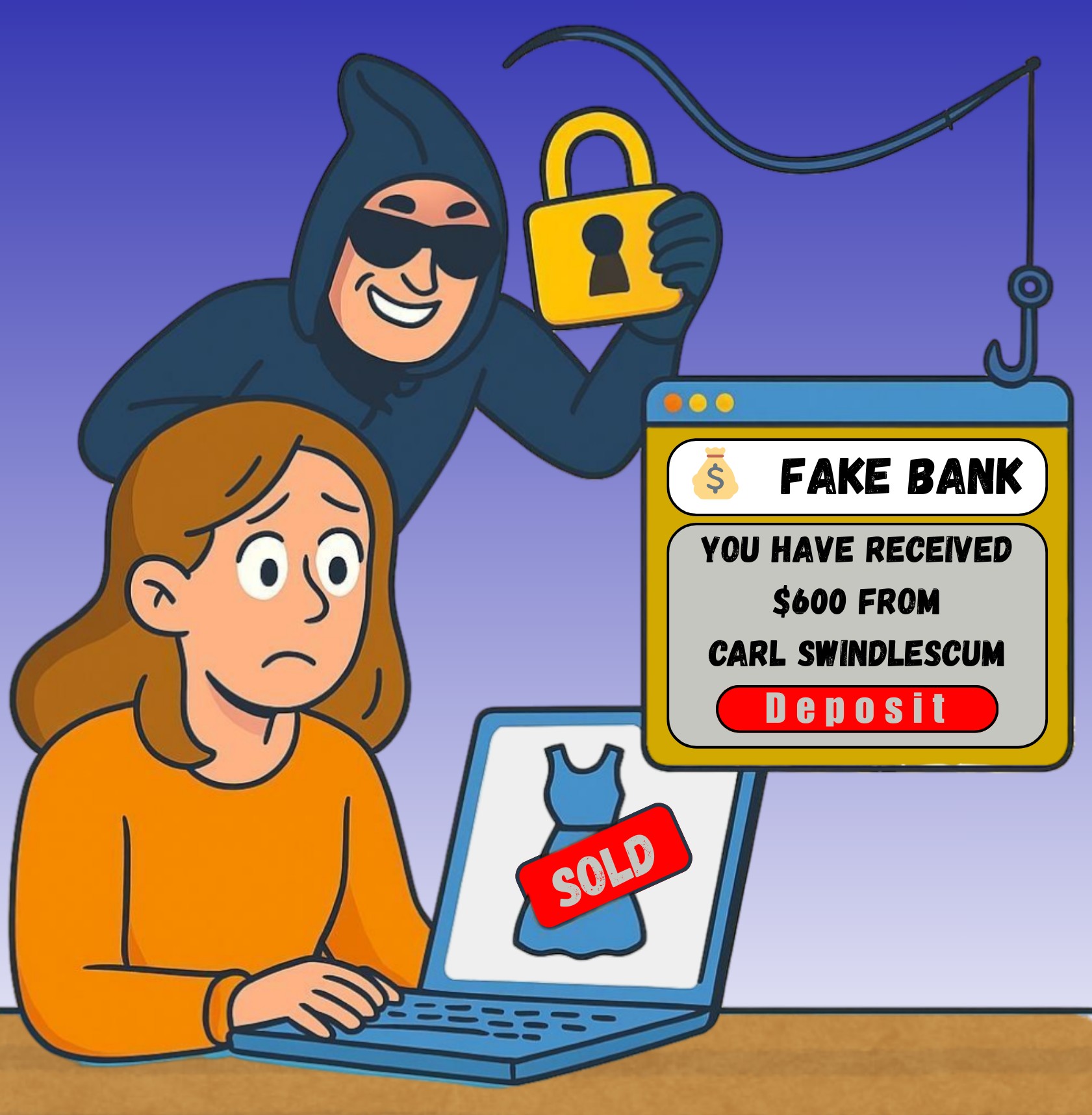 Online resale platforms such as VarageSale, Vinted, and Facebook Marketplace have become popular destinations for people who want to make additional income or find affordable items. However, wherever there is money and convenience, there are also scammers.