The Flim Flam Scam: From Street Corners to Screens
 The term flim flam originated in sixteenth century England as a word for nonsense or trickery. By the nineteenth century it had entered American slang to describe the work of the con artist or grifter. Unlike thieves who rely on force, grifters thrive on persuasion, illusion, and confidence.
 For many years, PayPal users were warned to look out for clumsy fake emails filled with spelling errors, strange links, and suspicious sender names. Spotting a scam used to be simple. One could hover over a link and see it led to a fake site, or notice the awkward phrasing of “Dear Customer.” But in 2025, the landscape has changed.
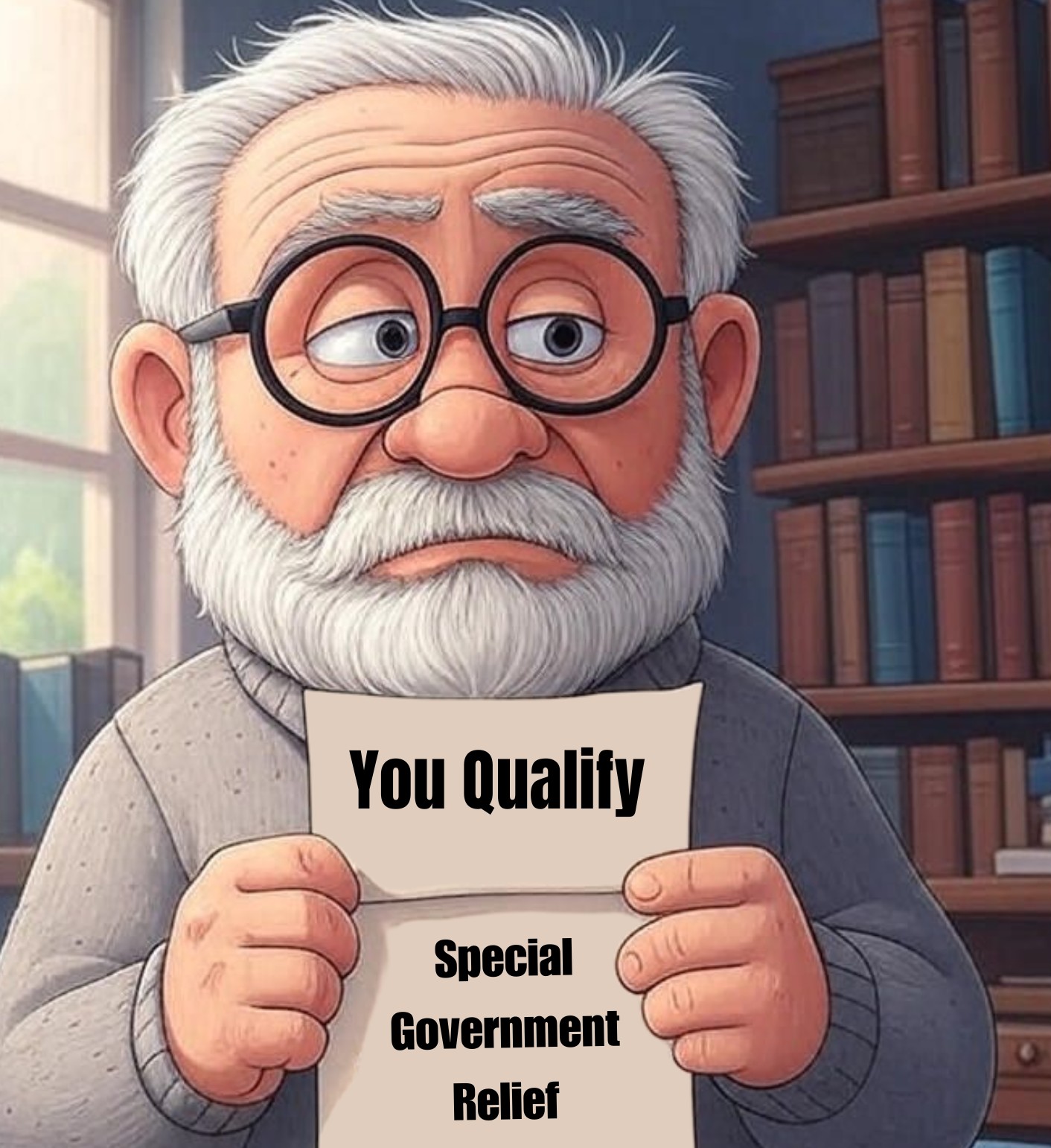 Governments and utility companies worldwide offer programs to help residents access relief payments and energy rebates. Scammers know this and are cashing in on it. Every day unsuspecting people are tricked by messages claiming unclaimed money is waiting for them.
 Artificial intelligence is no longer just a tool for efficiency and innovation. It has quietly become a weapon in the hands of cybercriminals. From mass phishing campaigns to voice cloning and deepfake scams, AI is allowing criminals to operate faster, smarter, and with unprecedented sophistication.
 ATM swapping is a distraction theft where scammers cause confusion at a cash machine. While pretending to “help,” they swap your real card with a fake one. Since they have often already seen your PIN, they later use your card to empty your account.
 Across the world, scammers exploit one of humanity’s most universal desires: recognition. From coveted business awards to honorary degrees, vanity scams trick individuals and businesses into paying for prestige that is largely meaningless. These scams prey on ambition, ego, and the fear of missing out on exclusive opportunities.
 Students worldwide are increasingly being targeted by sophisticated tuition-related scams that exploit financial stress, trust, and fear of academic consequences.
 Agriculture sustains life. It is the foundation of communities and the backbone of many economies. Yet it has also become a growing target for fraud. Criminal networks and opportunistic scammers are exploiting the trust, urgency, and vulnerability that surround farming.
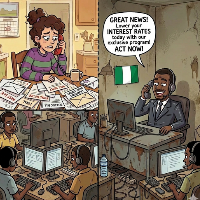 When the phone rings with an offer to reduce your interest rates, it sounds like relief. Credit card holders, mortgage borrowers, and people with personal loans often struggle with high payments, and scammers know that fear and desperation make people vulnerable. They often promise lower payments or reduced interest to convince victims to listen.