
Cashier Cheque Scams
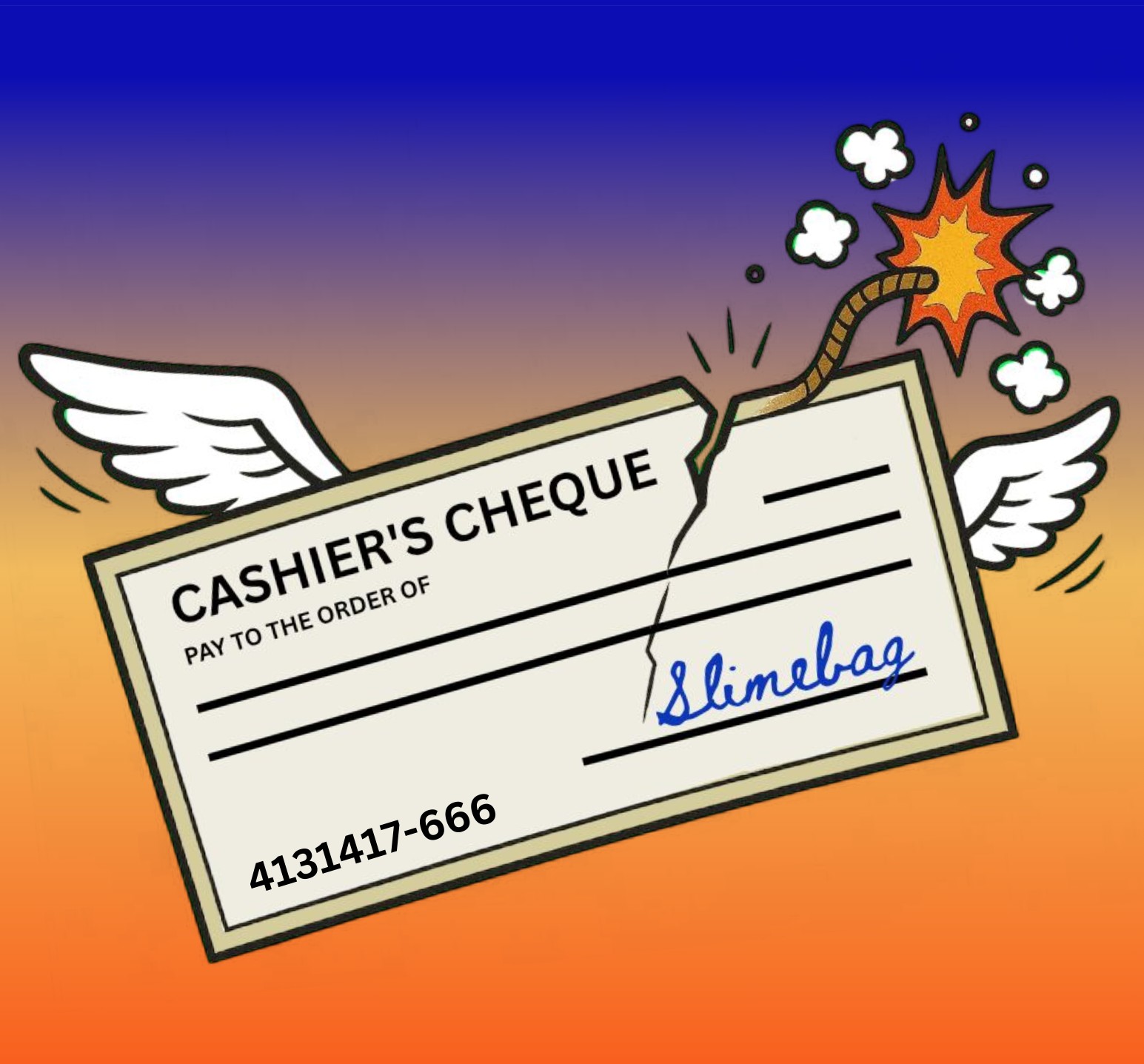 For decades the cashier’s cheque has been promoted by banks as one of the safest methods of payment. The logic was simple: because the funds are drawn directly against the issuing bank, the instrument is supposed to be as good as cash.
- Read more about Cashier Cheque Scams
- Log in to post comments
 Unsolicited text messages have evolved from minor annoyances into a major tool for modern scammers. What may begin as a casual "wrong number" can quickly develop into weeks or months of manipulation. These scams exploit curiosity, politeness, and even loneliness, often resulting in financial loss and emotional damage.
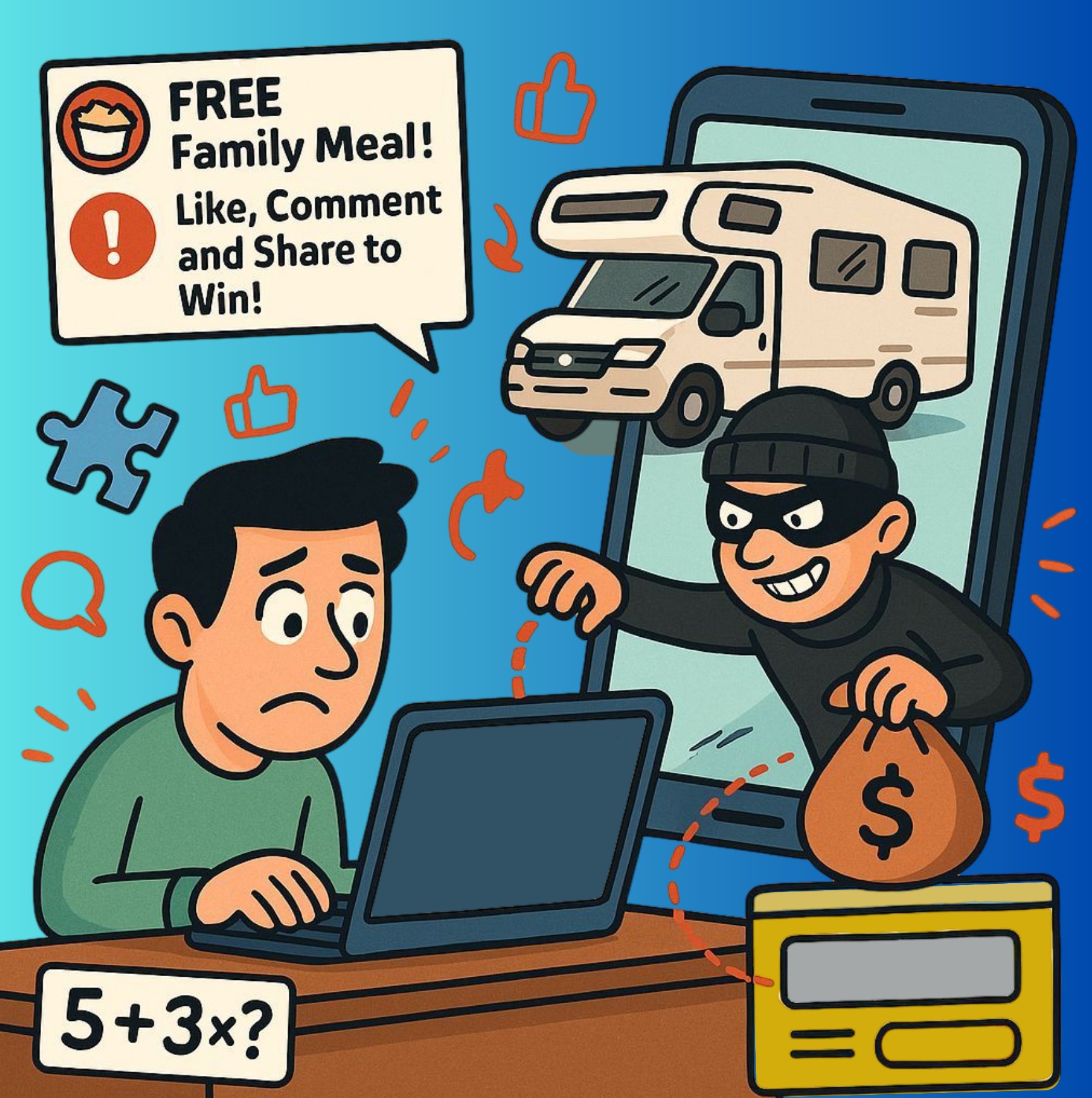 Fake promotions are spreading rapidly across social media, exploiting the hopes of ordinary users. Pages masquerading as popular food chains or trusted retailers lure people with promises of free meals, motorhomes, holidays, or gift cards. These scams are not acts of generosity.
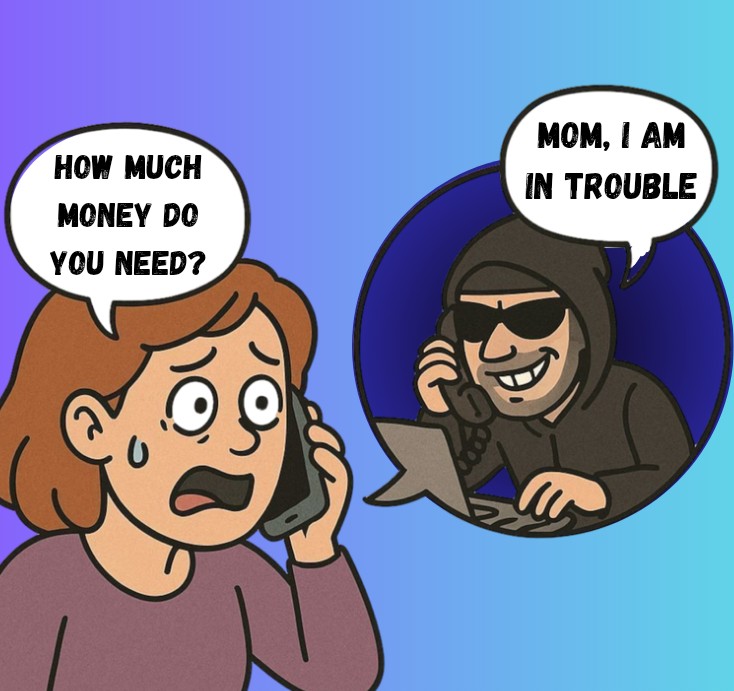 Voice cloning scams are evolving at breakneck speed. Criminals no longer need to meet their victims in person. Every public post, video, and snippet of audio becomes raw material. Artificial intelligence (AI) is used to scan, collect, and organize this information automatically. The result is a scam that moves faster than most people can recognize.
 Fraud is no longer static, it adapts, learns, and reinvents itself with alarming precision. The latest scheme gaining global traction is the gold bar scam, a deception that turns digital fear into physical loss, stripping victims of their life savings in the form of bullion.
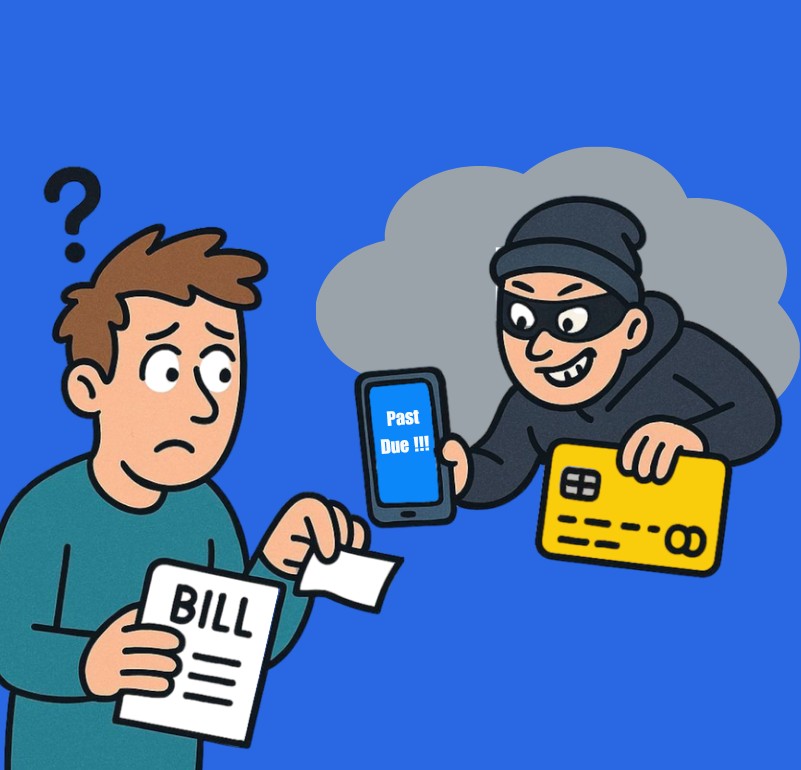 Cloud computing has become the digital backbone of everyday life. People and businesses rely on services such as Google Drive, iCloud, OneDrive, and Dropbox to store photographs, documents, and critical work files. This convenience has also given rise to a disturbing form of cybercrime: the cloud subscription scam.
 Scammers are increasingly exploiting the authority of police, courts, and government agencies to intimidate and defraud victims. These impersonation scams are global in reach and use a combination of psychological pressure and technological manipulation to appear legitimate. Recognizing the tactics is critical to avoiding financial loss or identity theft.
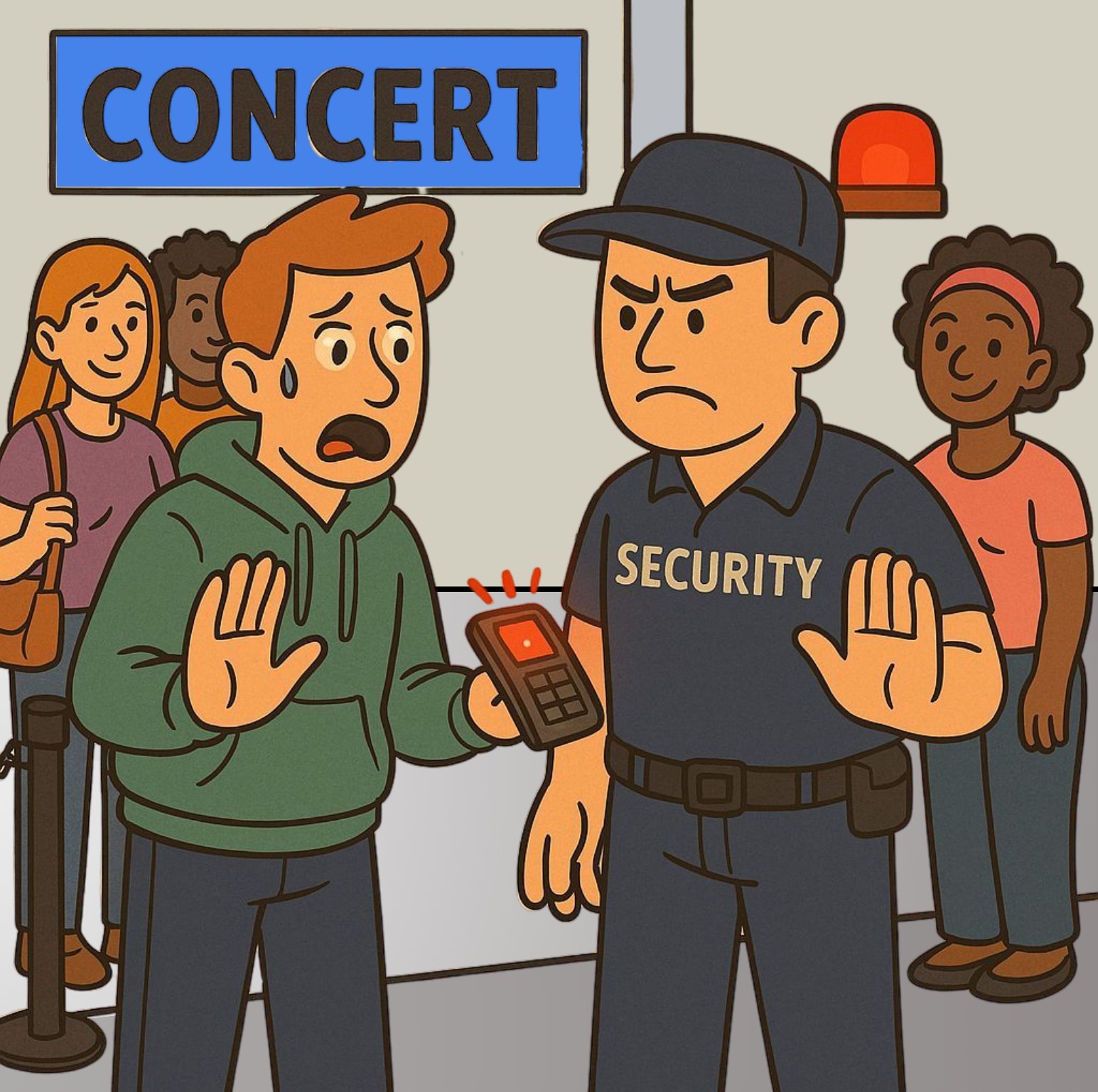 Around the world, fans are being tricked out of their money and their memories by a growing fraud: clone event ticket websites. These fake platforms mimic trusted sellers with near-perfect precision, with stolen logos, identical layouts, and checkout pages designed to feel completely authentic.
 Online shopping has made delivery services part of everyday life. Scammers know this, and they are weaponizing our trust in couriers to run a series of dangerous and costly frauds. These schemes are not confined to a single trick.