
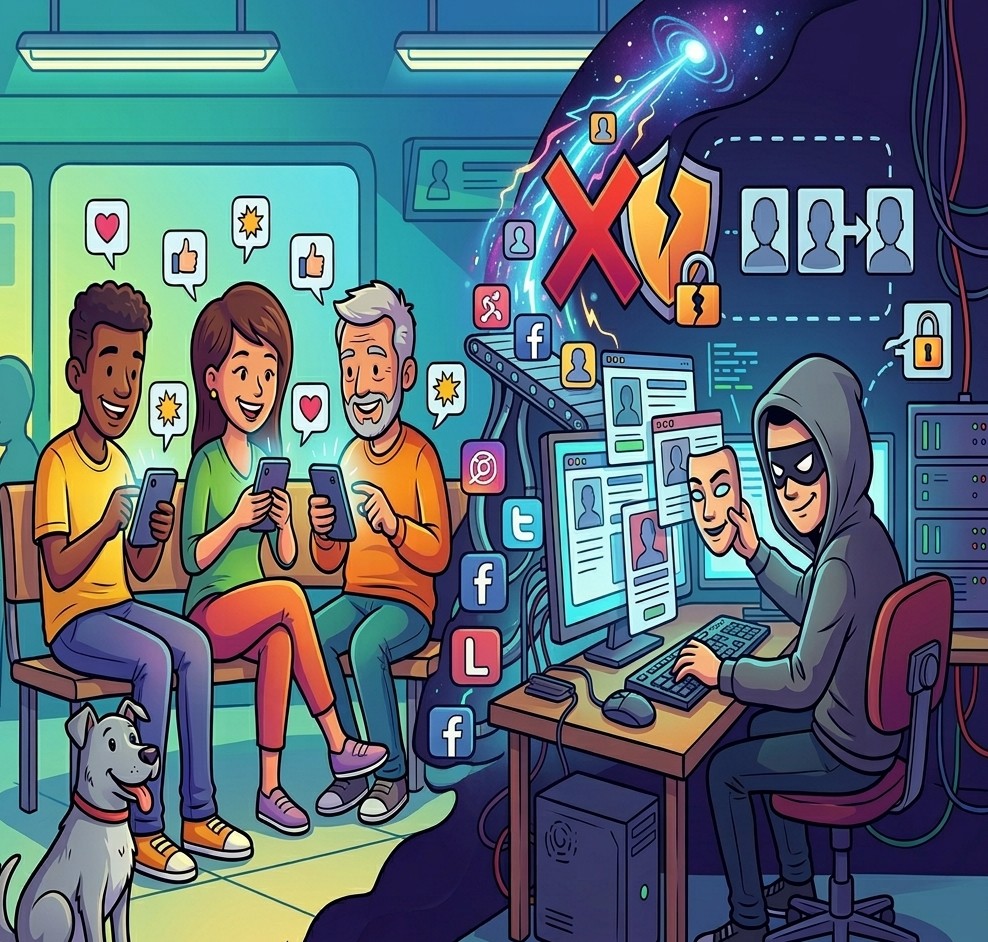
 The digital landscape remains a fertile ground for various forms of fraud, with police in northern Ontario and Wisconsin recently issuing urgent warnings. Cybercriminals increasingly compromise Facebook and LinkedIn accounts to target friends and professional connections of victims. These attacks typically begin with casual messages before escalating into elaborate "Publishers Clearing House," "government grant," or pig butchering scams.
The Evolution of the Digital Lure
Acting as a known connection, scammers often pivot the conversation from friendly banter to a life-changing financial opportunity. They may claim they used a specific grant to pay off their mortgage or mention a "special drawing" awarding them a massive windfall. This creates a false sense of urgency and legitimacy because the information appears to come from a trusted source.
Scammers may also clone overky public profiles with publicly available friends lists and/or highly active public feed posts. This leads to scammers sending friend requests to and communicating with the cloned persons friends list. Many of these interactions evolve into the long-term emotional manipulation found in a Pig Butchering Scam, where criminals "fatten up" victims with trust before stealing their life savings.
How Profile Cloning and Hacking Work
Profile cloning is a meticulous process where a criminal scrapes publicly available data from a legitimate account. By copying profile pictures, banner images, and biographical details, they engineer a "mirror" account. However, criminals also frequently move beyond simple mimicry by hacking into authentic accounts.
- Account Takeovers: Hackers often gain access through phishing links sent via direct messages. These links lead to fraudulent login pages designed to harvest credentials. Once they control the account, they change the password and recovery email to lock out the rightful owner.
- Network Infiltration: Whether using a clone or a hacked account, the scammer sends messages to the contact list. Many people trust these requests, assuming their friend sent them or is simply sharing a genuine opportunity.
- The Pay-to-Play Trap: Once the connection is established, the scammer claims the victim has won a prize or is eligible for a grant. The catch always involves an upfront payment for "taxes," "processing fees," or "delivery costs."
Beyond Banking: The Weaponization of Reputation
It is a common misconception every account hacking digital attack aims to harvest credit card numbers or bank credentials. While those remain goals for some, these specific social media scams focus on something far more personal: your reputation. By hacking or cloning your profile, a criminal is not just looking for a way into your wallet; they are looking for a way into the wallets of those who trust you.
- Social Equity Theft: Scammers weaponize the years of goodwill you have built with your friends, family, and colleagues. When a message comes from your "authentic" profile, the recipient lowers their natural defenses.
- Reputation Destruction: If a scammer uses your name to defraud your contacts, the fallout can be devastating. Once the victim realizes they were conned, the blame often unfairly shifts toward you. This can lead to severed friendships, professional embarrassment, and a permanently tarnished digital presence.
- Emotional Leverage: Unlike a cold call from a stranger, these messages use shared history and personal "inside" knowledge to make the scam feel real. The criminal is effectively spending your reputation for their financial gain.
Random Friend Requests
A more subtle and increasingly prevalent entry point for these attacks involves strangers initiating contact with unsuspecting users directly through publicly visible comment sections. This tactic aims to bypass initial defenses by building quick, false rapport.
- The Compliment Trap: Scammers frequently monitor comments on news articles, public posts, or community forums. They will then like a specific comment and send a random friend request, often following up with a direct message stating they admire the user's perspective and wish to connect. This false flattery makes the interaction feel personal and lowers skepticism.
- The "Authority or Celebrity" Mask: In some of the most damaging variations, fraudsters do not just use a generic persona; they impersonate individuals in positions of power, authority figures, or celebrities. By engineering high-fidelity fake profiles mirroring legitimate accounts, they use the assumed credibility and perceived status of the figure to manipulate the victim.
- From Flattery to Financial Harm: Once a direct conversation begins, the scenario evolves quickly. The scammer may pivot to the "free grant" or "Publishers Clearing House" narrative, claiming they want to secure a spot for the victim in a drawing or grant list.
The Mechanics of Hacking
While cloning mimics your identity, criminals also frequently move beyond simple mimicry by hacking into authentic accounts.
- Account Takeovers: Hackers often gain access through phishing links sent via direct messages. These links lead to fraudulent login pages designed to harvest credentials. Once they control the account, they change the password and recovery email to lock out the rightful owner.
- Network Infiltration: Whether using a clone or a hacked account, the scammer sends messages to the contact list. Many people trust these requests, assuming their friend sent them or is simply sharing a genuine opportunity.
Strategies for Protection
Safeguarding your digital identity requires a combination of technical settings and healthy skepticism. Consider the following steps to fortify your accounts:
- Tighten Privacy Settings: Limit visibility of your friend list and personal posts to "Friends Only." This prevents scammers from seeing whom you know and what photos they should steal to impersonate you.
- Be Cognizant of Your Digital Footprint: Be careful what you share about yourself and those around you within Social Media and other online platforms.
- Enable Multi-Factor Authentication (MFA): Using MFA ensures even if a hacker obtains your password, they cannot access your account without a secondary code.
- Verify Unusual Requests: If a friend or family member sends a message regarding a "free grant" or "lottery win," contact them through a different medium to confirm their identity.
- Alert the Victim: If you suspect a friend is being hacked or cloned, contact them immediately through a secure, non-online channel you already know, such as a phone call or an in-person conversation. It is vital to reach out via a method outside the compromised platform to ensure you are speaking to the actual person. They may not yet realize their identity is being misused.
Vigilance remains the most effective tool for stopping these predatory cycles.
- Log in to post comments