
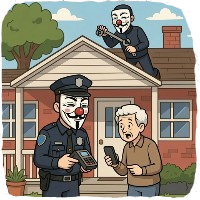
 Roofing scams have historically relied on the inability of homeowners to verify claims regarding the condition of their rooftops or attic spaces. Decades ago, fraudulent contractors utilized rudimentary methods to fabricate evidence of structural failure. A common tactic involved a contractor carrying a concealed bottle of water during a purported attic inspection. By surreptitiously wetting the insulation or wooden beams, the individual created artificial leaks. This physical manipulation allowed the fraudster to demand immediate payment for unnecessary repairs, exploiting the homeowner's fear of escalating water damage.
Technological Advancements in Fraudulent Tactics
The contemporary iteration of this fraud has transitioned from physical tampering to digital manipulation. Fraudulent operators now utilize drones to conduct unauthorized surveys of residential properties. These individuals present homeowners with high-resolution aerial photographs purportedly showing cracked shingles, deteriorating chimneys, or structural gaps. In reality, the suspects often use software to alter the images or show footage from an entirely different property. This digital deception creates a false sense of urgency, persuading residents to authorize expensive and often redundant roofing projects based on fabricated visual proof.
Sophisticated Extortion and Law Enforcement Impersonation
A dangerous escalation in this criminal activity involves a multi-stage extortion scheme recently identified by authorities. The process typically begins with a contractor performing minor, unsolicited work or purposefully damaging a chimney to justify further intervention. Once the homeowner becomes suspicious or attempts to halt the project, a secondary participant enters the scam. This individual contacts the victim while impersonating a high-ranking official or an investigator from a global police organization. The imposter claims to be investigating the roofing company and instructs the homeowner to transfer large sums of money into a secure account or a government fund to assist with the prosecution.
Global Patterns of Victimization
Although specific incidents have drawn significant attention in major metropolitan hubs, these fraudulent patterns are appearing globally. The transition from simple property damage to complex psychological manipulation and the impersonation of international authorities represents a significant shift in the landscape of organized fraud. Criminal groups frequently target elderly or vulnerable residents, utilizing high-pressure sales tactics and the threat of legal or structural catastrophe to bypass rational decision-making.
Critical Indicators of Fraudulent Activity
Awareness of specific red flags is essential for maintaining residential security and financial safety. Legitimate roofing companies and law enforcement agencies follow standardized operational procedures failing to align with the tactics used by fraudsters.
- Unsolicited door-to-door sales representatives offering free roof inspections or claiming to have leftover materials from a nearby job.
- High-pressure demands for immediate cash deposits or full payments before any work has commenced.
- The presentation of digital imagery as the sole evidence of damage without allowing for a secondary, independent assessment.
- Communications from individuals claiming to be law enforcement officers requesting financial assistance or the transfer of funds to aid an investigation.
- Log in to post comments