
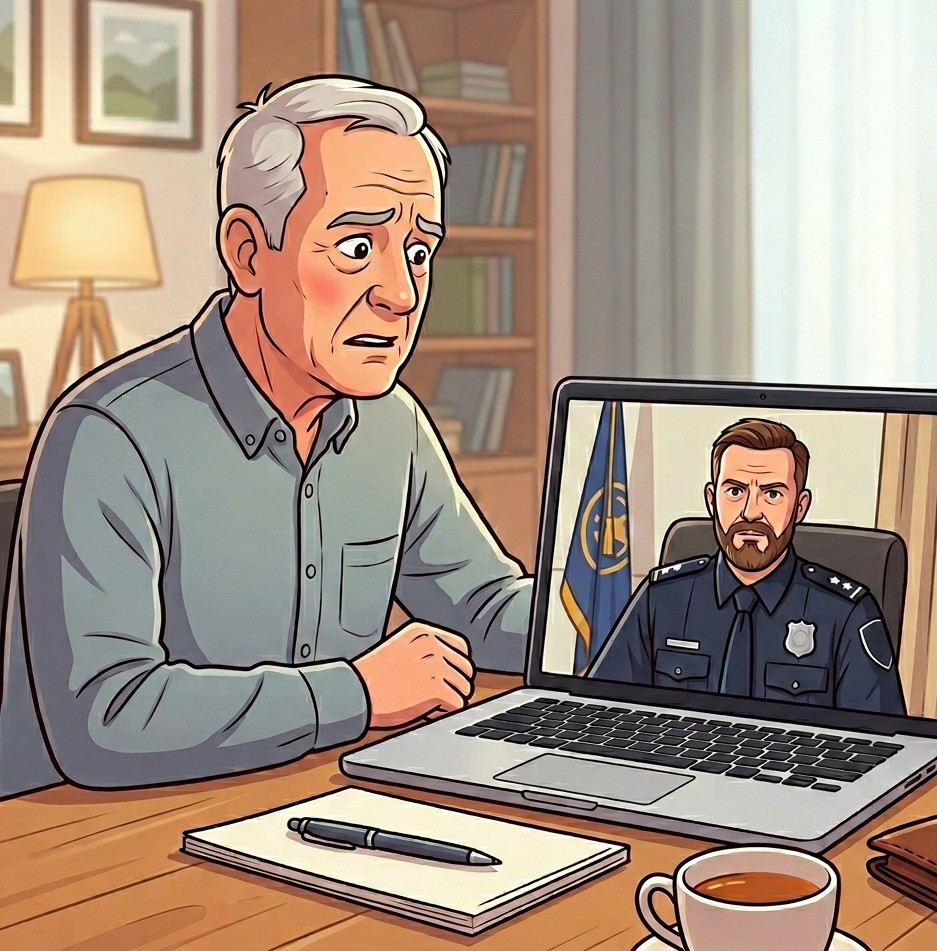
 Video conferencing has now been added to the tactics used in police personation scams, representing a growing trend in cybercrime where fraudsters impersonate law enforcement officers to manipulate victims through psychological pressure. Recent incidents reported by the West Kelowna Royal Canadian Mounted Police highlight a shift toward sophisticated methods involving video conferencing and caller identification spoofing. These tactics aim to bypass skepticism by providing fabricated visual proof of authority, illustrating why staying informed about how The Digital Arrest Scam Evolves remains critical for public safety.
In these evolving scams, scammers use technology to make incoming calls appear as though they originate from legitimate police detachments. Once contact is established, the fraudsters often move the interaction to video platforms such as Zoom or FaceTime. During these sessions, suspects appear wearing police uniforms in settings designed to look like official offices. This visual element adds a layer of perceived legitimacy, making it difficult for individuals to identify the fraud immediately. Understanding the broader context of Law-Related Personation Scams helps clarify how these impersonators exploit professional appearances to gain trust.
The primary goal of a digital arrest scam involves convincing the victim of an ongoing investigation for serious crimes such as money laundering. Scammers claim the individual faces immediate jail time unless they cooperate by providing personal banking details or transferring funds. They typically demand payment through cryptocurrency, gift cards, or wire transfers, claiming these actions are necessary to verify the source of the money or to post bail. The fraudsters often stay on the line for hours, or even days, isolating the victim from friends and family to ensure compliance through constant surveillance.
Law enforcement agencies emphasize the importance of recognizing the procedural inconsistencies present in these interactions. Official police protocols never involve conducting business through personal video platforms or demanding immediate financial settlements over the telephone. Furthermore, officers do not request private identification details or digital assets in this manner to resolve legal matters. Protecting oneself requires hanging up on any suspicious caller and independently verifying the detachment phone number through official government directories.
Public awareness remains the most effective defence against criminal impersonation. By sharing information regarding these updated tactics, communities can better identify the red flags of digital coercion. Maintaining a healthy level of skepticism regarding unsolicited contacts, even those appearing to originate from local authorities, serves as a vital barrier against financial exploitation and identity theft. Proactive communication with local detachments remains the best way to confirm the validity of any claims made during an unexpected interaction.
- Log in to post comments