
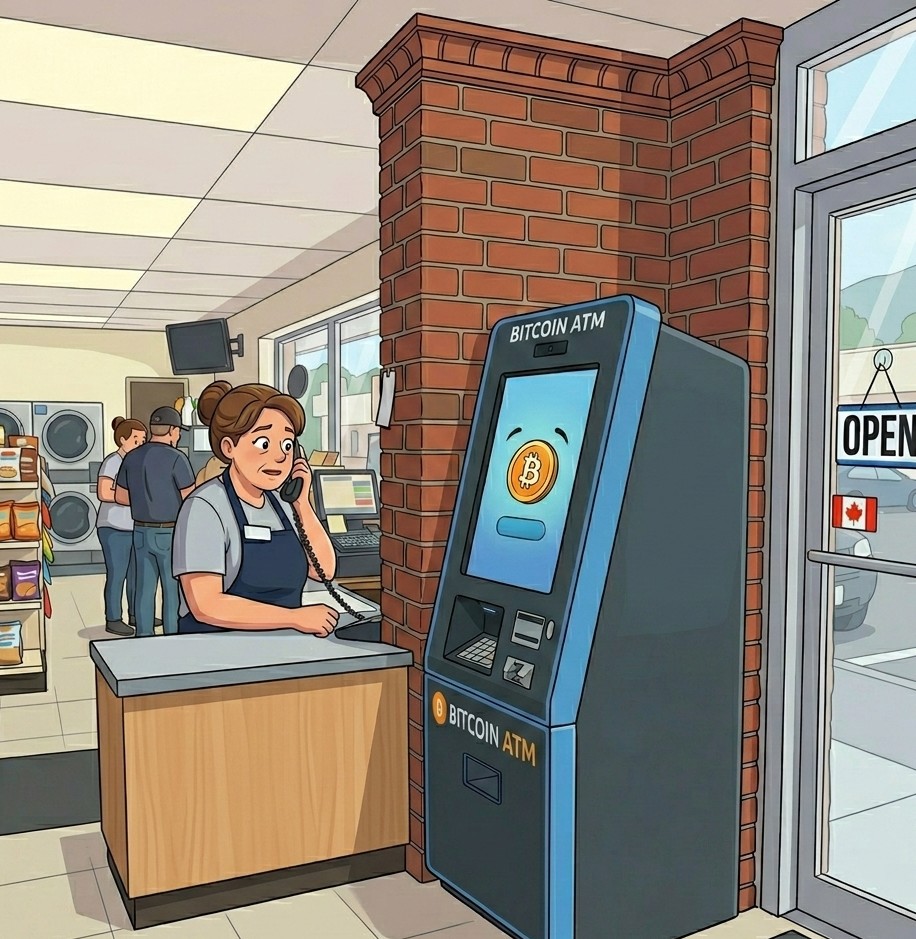
 I read this warning from the RCMP in Castlegar (a small town in British Columbia Canada) and while the details are vague as to what service providers are calling and what tale they are spinning but it is worth writing about. Earlier today I wrote an article about an increase in deepfake AI in BIC scams it would seem scammers are using various tactics to target businesses. In this scam, fraudsters contact local establishments pretending to represent legitimate service providers or utility companies. They create a sense of extreme urgency by claiming a delivery fee or an overdue payment is required immediately to prevent a service disruption or to complete a high-priority shipment.
It is important to note while many modern business scams are evolving to use deepfake AI to impersonate trusted management or known suppliers, the Castlegar RCMP warning implies that this particular scam is more "old-school." This scam appears to rely not on advanced technology, but on traditional manipulation creating high-pressure scenarios to force staff into a hurried, poor decision.
The scammers often pressure junior staff members or employees working alone to take drastic measures. They instruct the employee to empty the cash register, close the business temporarily, and travel to a nearby Bitcoin ATM to deposit the funds. This tactic exploits the fast-paced nature of retail and service environments where employees may feel compelled to resolve an "emergency" without first consulting a manager.
Key Warning Signs for Businesses
Businesses should remain vigilant for specific red flags indicating a fraudulent call:
- Pressure for Immediate Payment: Scammers use intimidation and a false sense of urgency to prevent staff from verifying the claim.
Unusual Payment Methods: Any demand for payment via Bitcoin, cryptocurrency, or gift cards is a definitive sign of fraud. Legitimate government and service agencies do not use these methods.
Requests to Empty the Till: A genuine service provider will never ask an employee to remove cash from a register and leave the premises to make a deposit.
Impersonation of Authority: Callers may claim to be a manager, a corporate officer, or a known local utility provider to gain trust or exert power.
Protective Measures
To safeguard a business against these tactics, it is essential to establish clear protocols for financial transactions. Staff should be instructed to hang up on any suspicious caller and contact the service provider directly using a verified phone number from an official invoice or website. Furthermore, managers should ensure all employees understand that no emergency payment should ever be authorized through a Bitcoin ATM or other untraceable means. Reporting these incidents to local police, helps authorities track the frequency of these crimes and warn the community.
- Log in to post comments