
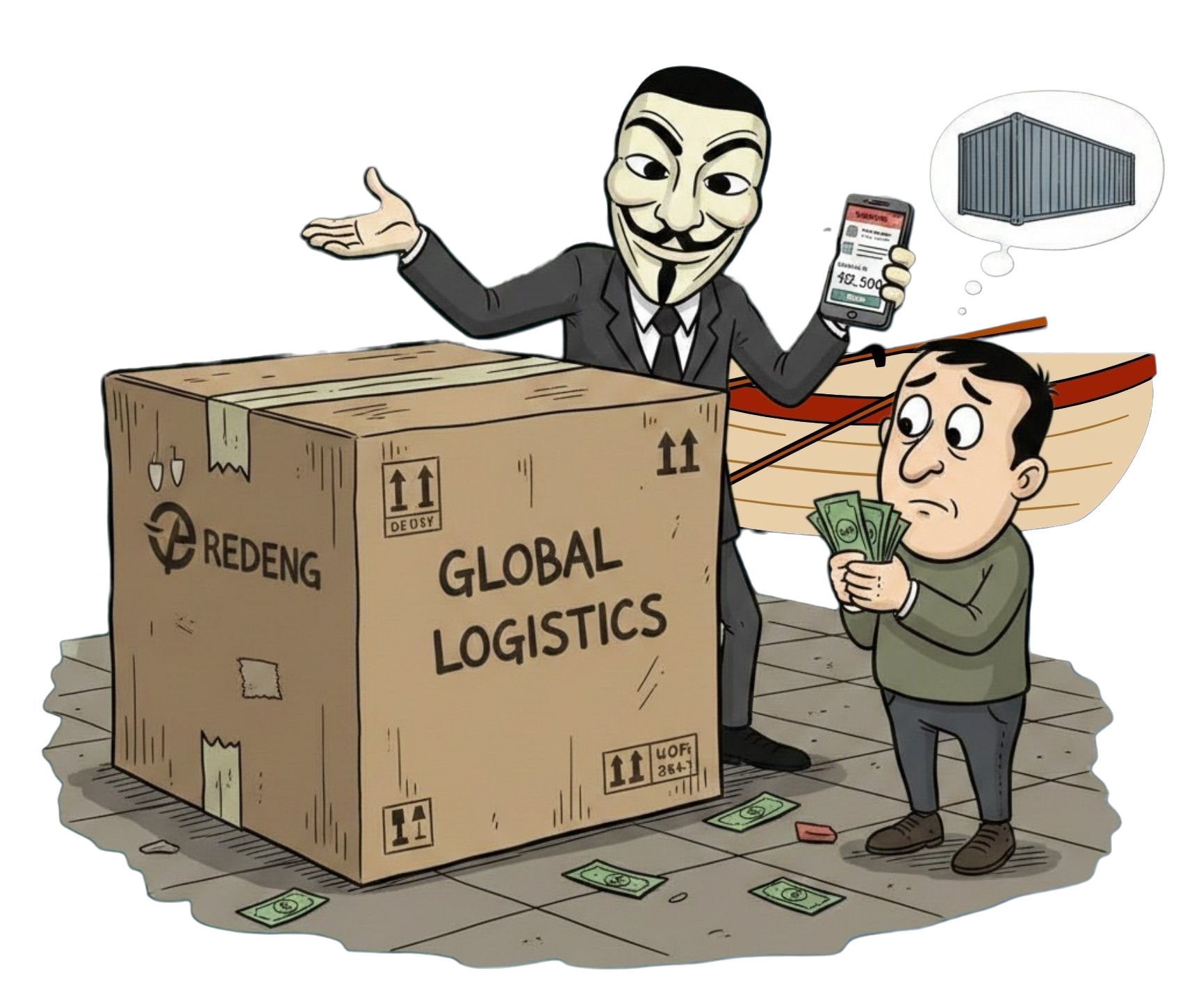
 The international marketplace for logistics equipment is experiencing a significant surge in fraudulent activity. As global trade expands and supply chains evolve, scammers are aggressively exploiting the sustained demand for shipping containers and trailers. Social media platforms and online marketplaces have become fertile ground for these schemes, allowing criminals to target buyers across borders with high value offers for equipment that was never intended to be delivered.
This is no longer an isolated issue confined to one region. Reports from North America, Europe, Africa, and Asia reflect the same pattern. Fraudsters are capitalizing on urgency within the logistics sector, particularly among small businesses, construction firms, agricultural operators, and independent transport contractors seeking cost effective equipment.
The Anatomy of the Scam
The deception typically follows a structured and repeatable formula.
Criminals misappropriate the logos, branding materials, staff photographs, and physical addresses of legitimate logistics companies. They create convincing advertisements appearing professional and credible. The listings often showcase clean, well maintained containers or registered trailers at prices significantly below market value. The discount is the hook.
Once a prospective buyer initiates contact, the scammer escalates the illusion of legitimacy. Professional looking invoices are issued, often with contracts attached; communication is polished and confident. The buyer is then urged to secure the deal immediately through payment methods which offer little to no recovery options, including e transfers, wire transfers, or cryptocurrency.
Across jurisdictions, one pattern remains consistent; victims are pressured to bypass normal verification procedures. Sellers frequently claim in person inspections are not possible because the equipment is stored in a remote depot, held under a third party partnership agreement, or awaiting transport allocation. These explanations are designed to prevent physical verification and sway scepticism.
Once funds are transferred, communication ceases, the website disappears or becomes unresponsive and the advertised company denies any involvement (because they are generally not party to the scam.) The buyer is subs quently left with no equipment and limited avenues for recovery.
Key Red Flags
Protection begins with disciplined skepticism and structured due diligence. The following warning indicators are consistently present in container and trailer fraud cases:
• Unrealistic Pricing - If the advertised price is substantially lower than prevailing market rates for a steel shipping container or a registered road trailer, the listing is highly suspect. Legitimate suppliers do not routinely discount essential assets without clear commercial reasons.
• Pressure Tactics - Claims of multiple interested buyers, limited time offers, or immediate deposit requirements are designed to suppress rational verification. Urgency is a control mechanism.
• Lack of Physical Presence - Legitimate businesses maintain verifiable physical premises, traceable corporate registrations, and independent customer reviews. Entities operating exclusively through mobile messaging applications or recently created social media accounts warrant heightened scrutiny.
• Generic Photography - Fraudulent advertisements often rely on stock images or photographs lifted from unrelated websites. Reverse image searches frequently reveal duplication across multiple listings and jurisdictions. Increasingly AI is being used to create images, look for inconsistencies.
Direct Verification via Official Channels
One of the most effective ways to expose a scam involves contacting the supposed selling company through an independently verified phone number. Fraudulent listings often provide a mobile number or a VoIP line belonging to the scammer rather than the actual business. You should search for the company through an official business directory or a reputable search engine to find their head office or local branch details. Speaking directly with a legitimate staff member at a verified location can quickly confirm whether the advertisement is genuine or a sophisticated impersonation.
Risks of Online-Only Communication
Buyers should exercise extreme caution when a seller insists on using WhatsApp or other online-only messaging platforms. While these applications are convenient, they provide scammers with a layer of anonymity and make it difficult for law enforcement to track their activities. A legitimate logistics firm will typically use professional email addresses and landline telephone systems. If a seller refuses to engage in a standard phone call or avoids providing a physical business address where the item can be inspected, it is a strong indication of a fraudulent operation.
Global Best Practices for Safe Purchasing
A safety first purchasing framework is essential when engaging in high value equipment transactions online.
Advance payment for unseen logistics equipment should never occur without independent verification. Whenever possible, buyers should conduct an in person inspection or appoint a qualified local professional to assess the container or trailer before funds are transferred.
Utilizing payment services offering structured buyer protection adds a critical layer of security; direct wire transfers to unfamiliar entities should be treated as high risk transactions.
For trailer purchases, specifically, verification through official government transport authorities is essential; confirming the Vehicle Identification Number and validating registration details through authorized channels can expose inconsistencies. Any seller unwilling to provide a verifiable VIN or registration plate should be considered extremely high risk.
Finally, reporting suspicious listings to marketplace administrators and relevant law enforcement agencies disrupts fraud networks and reduces the likelihood of further victimization. Collective reporting strengthens platform enforcement and protects legitimate buyers and sellers alike.
The growth of global trade has expanded opportunity. Unfortunately, it has also expanded criminal reach. Vigilance, verification, and disciplined purchasing practices remain the strongest defence against this escalating form of online equipment fraud.
- Log in to post comments