
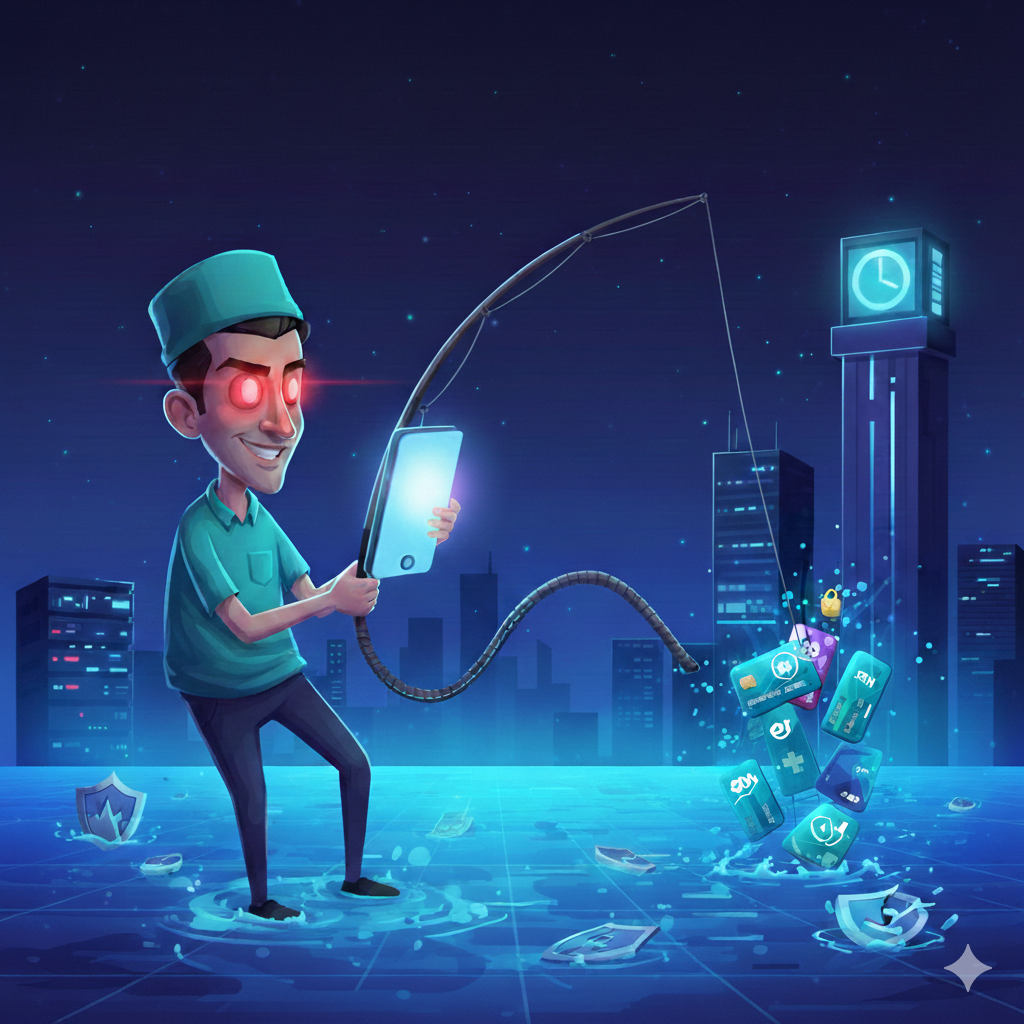
 By early 2026, health insurance fraud crossed a critical threshold. What were once crude robocalls and poorly scripted phishing attempts have evolved into sophisticated, AI driven operations human sounding scams which feel legitimate, and operate at global scale. This is no longer a collection of isolated incidents, it has become a rapidly expanding ecosystem in which cybercriminal networks impersonate insurers and government health agencies with near perfect realism, targeting the most valuable identity data available.
THE RISE OF THE SYNTHETIC AGENT
At the core of this transformation is the emergence of the synthetic agent. Using high fidelity AI voice cloning, criminals can recreate a convincing human voice with only seconds of source audio, frequently harvested from social media videos, voicemail greetings, or other public recordings. These voices breathe naturally, pause mid sentence, and convey empathy neutralizing the warning instincts people were trained to trust. There is no robotic cadence and no obvious red flag. Framed around familiar events such as New Year renewals or routine policy adjustments, these calls blend seamlessly into what sounds like legitimate insurance communication.
A GLOBAL BLUEPRINT OF DECEPTION
This threat is not confined to a single country or healthcare system. It represents a coordinated global shift in cybercrime tactics. As financial institutions have hardened their defenses, the underground value of medical and insurance identities has surged. A Health ID combined with a Social Security number enables long term exploitation, including fraudulent medical billing, policy manipulation, and synthetic identity creation.
🇺🇸 United States - Fraudsters impersonate Medicare and major private insurers, promising New Year rebates or premium reductions in exchange for Social Security verification.
🇬🇧 United Kingdom - AI generated voices pose as the NHS or the Financial Conduct Authority, offering fabricated premium refunds while harvesting both banking credentials and private health data.
🇦🇺 Australia - Cloned voices are used to authorize fraudulent policy changes or issue supposed government healthcare refunds, exploiting high public trust in national health programs.
🇨🇦 Canada - Calls impersonate provincial health ministries, claiming digital health card updates are required to maintain insurance coverage.
🌐 Global Communities - Non English speaking populations around the world are increasingly targeted using AI voices generated in precise dialects and accents, creating immediate cultural trust and bypassing traditional detection methods.
WHY THE SCAM SUCCEEDS
These operations succeed because artificial intelligence has erased the traditional indicators of fraud. Consumers were conditioned to watch for poor grammar, unnatural speech, or robotic delivery. AI removes those markers entirely. When a voice sounds professional, calm, and empathetic, cognitive defenses give way to social trust. Compounding the threat, a single AI system can conduct thousands of these realistic conversations simultaneously, learning in real time which emotional cues lead to successful disclosure of sensitive data.
As synthetic fraud becomes indistinguishable from legitimate communication, the responsibility for verification shifts to the individual. Personally identifiable information should never be provided during unsolicited calls, regardless of how credible the caller appears. Artificial urgency remains a defining tactic, as legitimate insurers do not demand immediate disclosure of Social Security numbers to apply discounts or prevent cancellation. Reducing publicly available voice recordings also limits the raw material criminals use to generate convincing clones.
The true danger of AI driven insurance fraud lies in its invisibility. When deception sounds human, trust becomes the attack vector. Treating every unsolicited call as a potential synthetic fabrication is no longer excessive caution. It is a necessary adaptation to a threat that is already embedded in the global insurance landscape.
- Log in to post comments